How Much Does Plastering Cost in Lower Slaughter?
The quick answer
Short answer: most plastering jobs in Lower Slaughter fall between £80 and £1,500 per room. A typical ceiling skim (standard room) sits around £300 – £500, and most projects take 1 day for a room skim, 2–3 days for full re-plaster.
How much should you expect to pay for plastering in Lower Slaughter? We've put together this guide based on real project costs across Cotswolds. Prices here are above the regional average, so use these ranges as a starting point for your budget.
For plastering around Lower Slaughter, we treat travel as part of the spec: on the A40 / A429 corridor through the heart of the Cotswolds, and our diary already covers nearby work. We regularly travel to Witney (10 mi SE) and Burford (5 mi E) for similar jobs. Premium trade paints (Mylands, F&B, Tikkurila where it makes sense) — not contractor white. Daily clean-down at end of shift — no piles of dust sheets left in your hallway. Lighting test boards go up before final colour signoff — north-facing rooms need a different undertone to south-facing ones, and we'll prove it on the wall. Heritage colour palettes (Edwardian neutrals, Georgian off-whites, mid-century jewel tones) get matched in trade tin where the client wants them.
Prices shown are guide ranges based on our real project costs in Cotswolds.
Every property is different — get a free, tailored quote for your exact requirements.
Typical spend at each level
Patch repair (per patch)
Filling holes, cracks, or small damaged areas
Ceiling skim (standard room)
Skim coat over artex or damaged ceiling
Full room skim (walls & ceiling)
Complete skim coat for smooth, modern finish
Full re-plaster (back to brick)
Remove old plaster, apply scratch coat and skim
What Lower Slaughter Homeowners Typically Spend
In Central Cotswolds, the typical plastering project is a ceiling skim (standard room) — reflecting the ancient farmhouses that make up much of the local housing stock.
Typical range: £300 – £500
Plastering Costs in Lower Slaughter — Local Context
Homeowners near Bourton-on-the-Water often ask about limewash refresh needed on listed barn conversions. We handle this regularly — traditional UK construction methods typical of Lower Slaughter responds well to a careful prep sequence followed by the right specification of paint or coating.
Within the GL54, OX18 postcode area, the projects we quote most often involve limewash refresh needed on listed barn conversions. Cotswold ridge-top properties face exposed westerly weather while sheltered valley homes hold moisture for longer, which directly informs the products we recommend for Lower Slaughter plastering cost work.
Work near the Windrush valley tends to involve the older end of the local housing stock. Recurring themes here include limewash refresh needed on listed barn conversions and the careful prep needed before any topcoat goes near traditional UK construction methods typical of Lower Slaughter. We've developed a sequence for these properties that addresses the substrate first — fillers, primers, and stabilisers chosen for the specific construction — rather than relying on the paint itself to compensate for poor preparation.
Cotswold ridge-top properties face exposed westerly weather while sheltered valley homes hold moisture for longer. For Lower Slaughter plastering customers that has practical consequences: the timing window for exterior work is tighter than people often assume, and interior rooms on north-facing elevations within the GL54 and GL54 areas are noticeably more prone to condensation. We factor both into the products and additives we recommend during the quote stage.
Local material reality matters: traditional UK construction methods typical of Lower Slaughter dominates parts of Lower Slaughter that newer build does not, and the local climate adds its own demands. Cotswold ridge-top properties face exposed westerly weather while sheltered valley homes hold moisture for longer. Combined, this means our plastering specifications for properties around Burford high street will often differ noticeably from those a few postcodes away — and rightly so, given how differently those properties behave over a ten-year horizon.
Within GL54 alone we've handled everything from moss build-up on north-facing Cotswold stone walls along the Windrush valley through to blown plaster behind cold external walls in Bourton and Burford cottages, and the postcode boundary running through Lower Slaughter means properties on the OX18 side often present slightly different issues again. Most plastering jobs in the area touch on at least one of these patterns, which is why we always survey thoroughly before quoting — generic per-room pricing rarely matches what a Lower Slaughter property actually needs.
Drive five minutes out from Burford high street and the housing stock changes character noticeably. Closer to the centre we see more traditional UK construction methods typical of Lower Slaughter; further out it shifts towards traditional UK construction methods typical of Lower Slaughter. That mix is one of the things that makes plastering in Lower Slaughter interesting — no two streets ask for exactly the same specification, and a single quote template would do most properties a disservice.
Why two similar houses get different quotes
Existing surface
Skimming over sound plaster is cheaper than re-plastering back to brick, which needs scratch coat and skim.
Artex removal
Skimming over artex is common. If artex contains asbestos (pre-2000), specialist testing and removal may be needed.
Ceiling height
High ceilings need specialist platforms and take longer — expect 20–40% more than standard height rooms.
Room size
Plasterers work fast on large uninterrupted walls. Small rooms with lots of corners and obstacles take proportionally longer.
Drying time
New plaster needs 2–4 weeks to dry before decorating. We can advise on the right schedule for your project.
Plastering Pricing in the Central Cotswolds Area
Properties in Lower Slaughter and the Central Cotswolds area typically command higher decorating quotes due to larger property sizes, premium finishes expected, and the specialist care needed for period and listed buildings common in this area.
Common property types in this area include: riverside stone cottages, converted mills, ancient farmhouses, Cotswold stone villas.
How Long Does It Take?
1 day for a room skim, 2–3 days for full re-plaster. We'll always give you a clear schedule before work begins so there are no surprises.
Money-Saving Tip
Combine plastering with decorating in one booking — we handle both, saving you the hassle of coordinating separate trades.
Why Choose Giraffe Decorators for Plastering in Lower Slaughter?
What a proper quote should list
- Protection and clean-down: dust sheets, floor protection and daily tidy.
- Start date, working days on site, and what happens if the job overruns.
- Access costs, including scaffold or tower hire, spelled out rather than absorbed.
- Whether materials are included in the figure or charged at cost on top.
- Preparation stated separately: filling, sanding, caulking, stain blocking and mist coats.
- The specific paint brand, product line and finish, so you can price the tin yourself if you want to.
In kitchens and bathrooms we move to a moisture-tolerant finish with a mould inhibitor rather than relying on the standard emulsion to cope with steam.
Different budgets, different briefs
New builds and recent plots
New-build repaints are cheaper on prep and dearer on coats: little filling, but often three coats to cover contract emulsion properly.
We finish plenty of snagging and first-repaint work on recently completed plots.
Commercial premises
Commercial pricing depends more on access hours than on square metres. Evening and weekend starts cost more per day but avoid closing the space.
Fully insured for public liability, and used to working around staff, stock and trading hours.
Coverage. It sits between Burford (about 5 miles E), Bourton-on-the-Water (about 6 miles W) and Witney (about 10 miles SE). If your property sits between two of those, the price does not change.
Book the survey, decide afterwards
The site visit is free and there is no follow-up call unless you ask for one. You keep the written quote either way.
Before you ask for a quote
Do you offer free quotes for plastering in Lower Slaughter?
Yes — we provide completely free, no-obligation quotes. Gareth will visit your property in Lower Slaughter, assess the work needed, and give you a clear, itemised price. No hidden costs, no pressure.
What affects the cost of plastering?
Whether you need a skim coat or full re-plaster makes the biggest difference. Skimming is typically half the cost of re-plastering.
Is it worth paying more for professional plastering?
Absolutely. Professional preparation is what makes paint last. A cheap job that peels after a year costs more to fix than doing it right the first time. We're rated 10/10 on Checkatrade because we never cut corners.
What's included in your plastering quote?
Our quotes include everything: surface preparation, filler and primer, premium paints, protection of furniture and floors, and cleanup. There are no hidden extras — the price you're quoted is the price you pay.
Do your plastering prices include materials?
Yes — all our quotes include labour, premium materials, and preparation. We use trade accounts with major paint suppliers to get the best prices on quality products, which we pass on to you.
How much does plastering cost in Lower Slaughter?
Prices for plastering in Lower Slaughter typically range from £80 – £200 for a patch repair (per patch) to £800 – £1,500 for a full re-plaster (back to brick). Contact us for a free, no-obligation quote tailored to your property.
How long does plastering take?
1 day for a room skim, 2–3 days for full re-plaster. We'll give you a clear timeline before work begins.
Do you cover the areas around Lower Slaughter?
Yes — It sits between Burford (about 5 miles E), Bourton-on-the-Water (about 6 miles W) and Witney (about 10 miles SE). and our normal plastering radius extends right across Cotswolds. No call-out fee for sites in this radius.
Are conservation-area rules an issue for plastering in Lower Slaughter?
They can be — Cotswolds AONB rules apply across most central Cotswold villages. We've worked on plenty of regulated properties in the area and can advise on appropriate breathable, lime-based or heritage-colour options before any work starts.
Next step, whenever you are ready
No rush and no hard sell. If you want the detail on how the work is done, or a figure for your own property, these are the useful next pages.
Other pricing questions people ask
Plastering Costs in Nearby Areas
Still deciding on colours?
Most people work out the look before they book the work. These guides cover what actually works in a real room, what people regret, and what already looks dated.
Ready to Get Your Lower Slaughter Quote?
These are guide prices — your property is unique. Let us visit and give you an exact price. 10/10 Checkatrade rated.
Recent Plastering Work Near Lower Slaughter
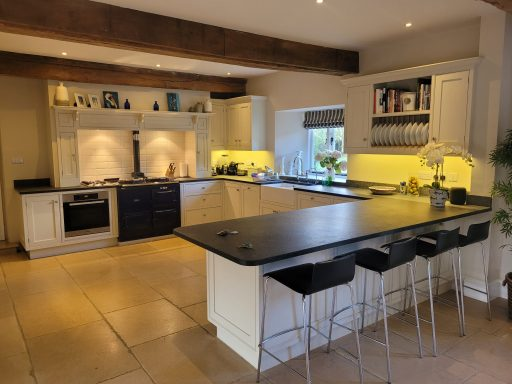
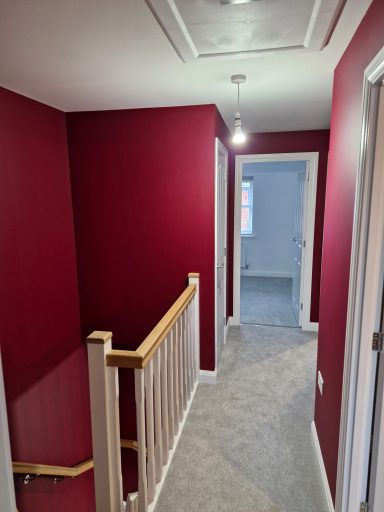
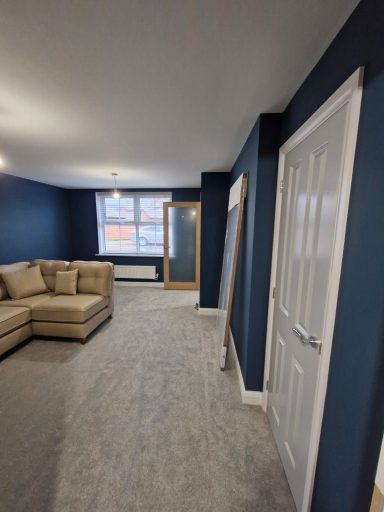
Real projects from our portfolio around Central Cotswolds.
Before you ring round for quotes
Write down the rooms, the surfaces and whether anything needs repairing first. With that list, three quotes become genuinely comparable.
Not sure between eggshell, satinwood, mineral paint or paper? Bring the brief and we'll suggest finishes that suit the property, the use and your maintenance appetite.