Best Time for Plastering in Bath
When's the best time to book plastering in Bath? The answer depends on your property, the scope of work, and — for exterior projects — the Somerset weather. Here's our practical guide.
Practical access matters on plastering projects: the A4 runs east toward Chippenham and M4 J18, with the A36 and A46 linking the city to the south and north, which keeps travel time low and your quote tighter. We regularly travel to Corsham (9 mi E) and Bradford-on-Avon (7 mi SE) for similar jobs. Dustless sanding kit means you can usually stay in the property while we work. We protect floors, soft furnishings and entryways before a single brush comes out. Ceilings get a flat matt with no sheen, walls get a wipeable matt or eggshell depending on use, woodwork gets a 30% satin for durability without glare. Heritage colour palettes (Edwardian neutrals, Georgian off-whites, mid-century jewel tones) get matched in trade tin where the client wants them.
Season-by-Season Guide
Spring
Moderate temperatures and lower humidity help plaster dry evenly. Windows can be opened for airflow without risk of frost.
Summer
Heat can cause plaster to dry too fast, leading to cracking. Dampen walls before application and avoid working in direct sun.
Autumn
Ideal conditions — moderate warmth and central heating beginning to dry the house. Book early as this is a busy season.
Winter
Central heating helps drying but can be too aggressive. Keep radiators on low near fresh plaster to avoid cracking.
Weather & Conditions
Plaster needs consistent warmth (10–20°C) and good airflow to dry properly. Extreme cold can cause plaster to freeze before setting. Extreme heat causes it to dry too fast and crack.
Booking Advice
Spring and autumn are ideal. Avoid plastering during very hot spells or freezing conditions. Allow 2–4 weeks drying time before decorating.
Plastering Seasonal Notes for Bath
From the centre of Bath out to the surrounding Bath & North East Somerset villages, we see a consistent pattern. render and masonry preparation before painting is a frequent finding, and we always quote on the basis of fixing the underlying issue rather than painting over it.
Most of our plastering seasonal work in Bath clusters around SN1 postcodes. In recent months we've handled jobs ranging from render and masonry preparation before painting to render and masonry preparation before painting — both common requests within a short drive of the centre of Bath.
For Bath plastering customers asking what's typical for the area: jobs around the centre of Bath skew towards heritage colour palettes and breathable products, while modern estates within SN1 are often more about contemporary neutrals on plasterboard and MDF. Both are equally valid — they just need different specifications, and we quote each on its own terms.
One pattern we see consistently across SN1 and SN1 is render and masonry preparation before painting. It's not always obvious from the street, but it shows up almost immediately during a proper survey. Treating it correctly takes longer than ignoring it, but the plastering finish that goes on top will outlast a quick-cover job by years rather than months.
Work near the centre of Bath tends to involve the older end of the local housing stock. Recurring themes here include woodwork preparation, sanding, and finishing and the careful prep needed before any topcoat goes near traditional UK construction methods typical of Bath. We've developed a sequence for these properties that addresses the substrate first — fillers, primers, and stabilisers chosen for the specific construction — rather than relying on the paint itself to compensate for poor preparation.
Specific issues we encounter often in Bath include render and masonry preparation before painting, woodwork preparation, sanding, and finishing, and interior plaster patching and skim coats. Each one has its own correct response, and lumping them together under "preparation" doesn't do justice to how much the right approach extends the life of a plastering finish. Our quotes itemise this work so you can see exactly what's being done and why.
Drive five minutes out from the centre of Bath and the housing stock changes character noticeably. Closer to the centre we see more traditional UK construction methods typical of Bath; further out it shifts towards traditional UK construction methods typical of Bath. That mix is one of the things that makes plastering in Bath interesting — no two streets ask for exactly the same specification, and a single quote template would do most properties a disservice.
Seasonal FAQs — Plastering in Bath
Is it cheaper to book plastering in winter?
Winter can offer better availability, and some interior projects are ideal for quieter months. We offer competitive pricing year-round — contact us for a quote regardless of season.
When is the best time for plastering in Bath?
For interior work, any time of year works well. For exterior plastering, late spring through early autumn is ideal in Somerset — dry conditions and mild temperatures give the best results.
Do you work during bank holidays in Bath & North East Somerset?
We can accommodate bank holiday work if needed. We schedule around your availability to make the project as convenient as possible.
Does weather affect plastering in Bath & North East Somerset?
For exterior work, yes — rain, frost, and extreme temperatures affect paint adhesion and drying. We monitor conditions carefully and only paint when conditions are right for a lasting finish.
What's your busiest time for plastering in Bath?
Spring and early summer are our busiest periods. Booking early secures your preferred dates. Autumn and winter offer excellent availability for interior work.
Can I book plastering during school holidays?
Absolutely — we're happy to schedule around your family routine. School holidays are popular for interior projects, so we recommend booking a few weeks ahead.
Which local authority covers Bath?
Properties in Bath fall under Bath & North East Somerset Council. Note: Bath is a UNESCO World Heritage Site — exterior colour, lime mortar and breathable paints are tightly regulated. We're used to the planning and conservation rules that apply to plastering work in this area.
How quickly can you reach Bath from Swindon?
the A4 runs east toward Chippenham and M4 J18, with the A36 and A46 linking the city to the south and north — so our team usually reaches Bath comfortably for a 7:30am start and we don't pad the quote for travel.
Ready to Book Plastering in Bath?
Now you know the best timing, let's get your project scheduled. Free quotes, flexible scheduling, 10/10 rated.
Recent Plastering Work Near Bath
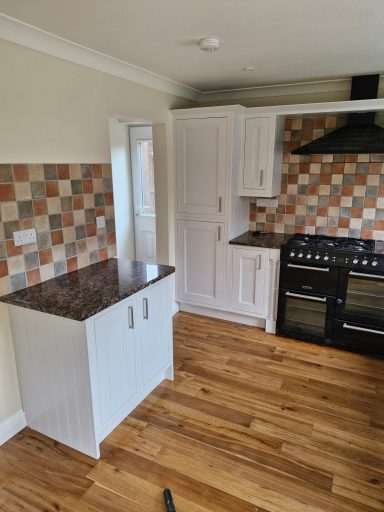
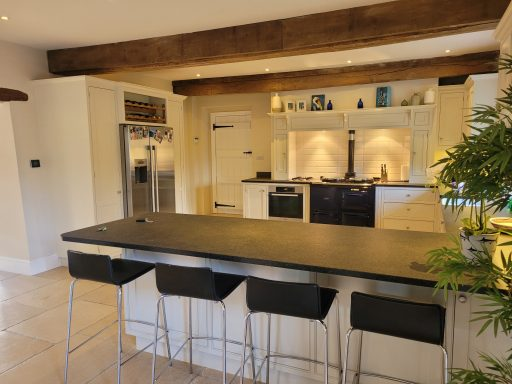
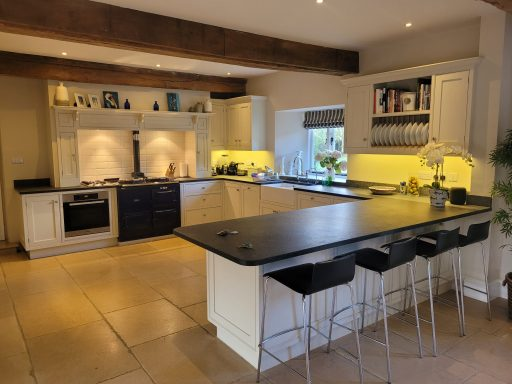
Real projects from our portfolio around Bath & North East Somerset.
Renovating or moving in to Bath? Plastering plans
We do plenty of pre-move-in plastering where the place needs to be perfect before the van turns up. Tell us your handover date and we'll work backwards from there.