Best Time for Plastering in Gloucester
Every season offers something for plastering in Gloucester — it's about matching the right time to the right project. Here's our month-by-month guide for Central Gloucestershire properties.
Quoting plastering in Gloucester starts with the route in: two M5 junctions serve the city with the A40 running east toward Cheltenham. From there it's measure-up, written spec, fixed price. We regularly travel to Newent (10 mi NW) and Cheltenham (9 mi NE) for similar jobs. Dustless sanding kit means you can usually stay in the property while we work. Daily clean-down at end of shift — no piles of dust sheets left in your hallway. Ceilings get a flat matt with no sheen, walls get a wipeable matt or eggshell depending on use, woodwork gets a 30% satin for durability without glare. Heritage colour palettes (Edwardian neutrals, Georgian off-whites, mid-century jewel tones) get matched in trade tin where the client wants them.
Season-by-Season Guide
Spring
Moderate temperatures and lower humidity help plaster dry evenly. Windows can be opened for airflow without risk of frost.
Summer
Heat can cause plaster to dry too fast, leading to cracking. Dampen walls before application and avoid working in direct sun.
Autumn
Ideal conditions — moderate warmth and central heating beginning to dry the house. Book early as this is a busy season.
Winter
Central heating helps drying but can be too aggressive. Keep radiators on low near fresh plaster to avoid cracking.
Weather & Conditions
Plaster needs consistent warmth (10–20°C) and good airflow to dry properly. Extreme cold can cause plaster to freeze before setting. Extreme heat causes it to dry too fast and crack.
Booking Advice
Spring and autumn are ideal. Avoid plastering during very hot spells or freezing conditions. Allow 2–4 weeks drying time before decorating.
Plastering Seasonal Notes for Gloucester
One of the things we've learned working plastering seasonal jobs in Gloucester: Victorian villa double-skin brickwork reacts differently to modern paints than newer-build construction does. We adjust our specification accordingly — often using breathable systems where appropriate.
Working across GL1, GL2, GL3, we've built up a clear picture of what local properties need. Victorian villa double-skin brickwork dominates the housing stock here, and the Gloucestershire weather adds its own demands on every plastering seasonal project.
Specific issues we encounter often in Gloucester include Regency stucco crazing on Cheltenham terraces that needs flexible elastomeric coatings, magnolia-over-magnolia interiors in 1980s Gloucester estates, and Victorian villa staircase woodwork in Pittville and Tivoli. Each one has its own correct response, and lumping them together under "preparation" doesn't do justice to how much the right approach extends the life of a plastering finish. Our quotes itemise this work so you can see exactly what's being done and why.
For Gloucester plastering customers asking what's typical for the area: jobs around Gloucester Cathedral skew towards heritage colour palettes and breathable products, while modern estates within GL50 are often more about contemporary neutrals on plasterboard and MDF. Both are equally valid — they just need different specifications, and we quote each on its own terms.
One pattern we see consistently across GL4 and GL2 is Regency stucco crazing on Cheltenham terraces that needs flexible elastomeric coatings. It's not always obvious from the street, but it shows up almost immediately during a proper survey. Treating it correctly takes longer than ignoring it, but the plastering finish that goes on top will outlast a quick-cover job by years rather than months.
Local material reality matters: Edwardian bay-window terraces dominates parts of Gloucester that newer build does not, and the local climate adds its own demands. the Severn Vale brings persistent westerly weather and high humidity, while Cotswold edge properties face exposed elevations. Combined, this means our plastering specifications for properties around Pittville Park will often differ noticeably from those a few postcodes away — and rightly so, given how differently those properties behave over a ten-year horizon.
Within GL50 alone we've handled everything from Regency stucco crazing on Cheltenham terraces that needs flexible elastomeric coatings through to Victorian villa staircase woodwork in Pittville and Tivoli, and the postcode boundary running through Gloucester means properties on the GL4 side often present slightly different issues again. Most plastering jobs in the area touch on at least one of these patterns, which is why we always survey thoroughly before quoting — generic per-room pricing rarely matches what a Gloucester property actually needs.
Seasonal FAQs — Plastering in Gloucester
When is the best time for plastering in Gloucester?
For interior work, any time of year works well. For exterior plastering, late spring through early autumn is ideal in Gloucestershire — dry conditions and mild temperatures give the best results.
Do you work during bank holidays in Central Gloucestershire?
We can accommodate bank holiday work if needed. We schedule around your availability to make the project as convenient as possible.
How far in advance should I book plastering in Gloucester?
We recommend 2-4 weeks in advance during peak season (spring/summer). In quieter months, we can often start within a week. Call 07361 638870 to check current availability.
What's your busiest time for plastering in Gloucester?
Spring and early summer are our busiest periods. Booking early secures your preferred dates. Autumn and winter offer excellent availability for interior work.
Does weather affect plastering in Central Gloucestershire?
For exterior work, yes — rain, frost, and extreme temperatures affect paint adhesion and drying. We monitor conditions carefully and only paint when conditions are right for a lasting finish.
Can I book plastering during school holidays?
Absolutely — we're happy to schedule around your family routine. School holidays are popular for interior projects, so we recommend booking a few weeks ahead.
Do you do commercial plastering near Gloucester?
Yes. We regularly take commercial plastering jobs around Hempsted Meadows Industrial Estate — a key local industrial estate — and can quote inside or outside business hours.
Do you cover the areas around Gloucester?
Yes — It sits between Stroud (about 10 miles S), Cheltenham (about 9 miles NE) and Newent (about 10 miles NW). and our normal plastering radius extends right across Gloucestershire. No call-out fee for sites in this radius.
Ready to Book Plastering in Gloucester?
Now you know the best timing, let's get your project scheduled. Free quotes, flexible scheduling, 10/10 rated.
Recent Plastering Work Near Gloucester
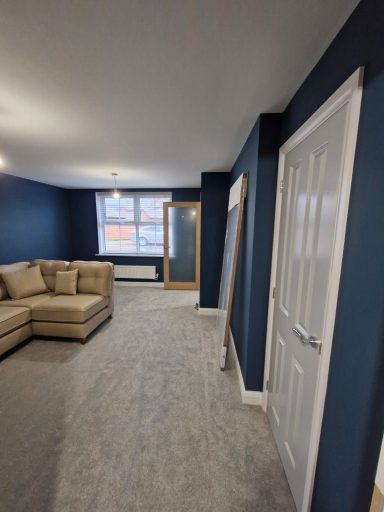
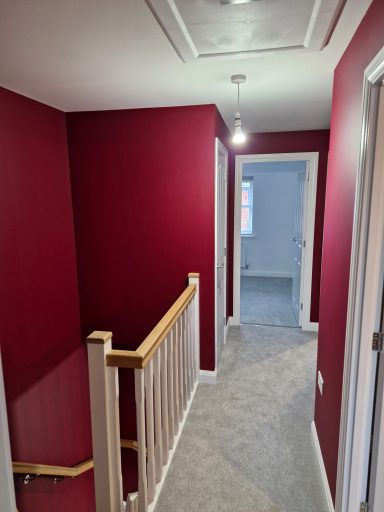
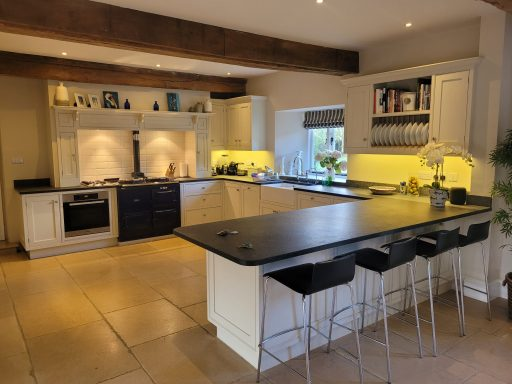
Real projects from our portfolio around Central Gloucestershire.
Comparing Gloucester plastering quotes? Bring them along
Quote comparison is hard when each spec is different. We'll line ours up next to yours so you can see prep, coats, materials and warranty side-by-side. No pressure either way.