Best Time for Plastering in Oxford
Timing your plastering project right can mean the difference between a perfect result and a frustrating experience. Here's what Oxford homeowners need to know about scheduling plastering throughout the year.
When we quote plastering in Oxford, we factor in route access — ringed by the A34 and A40 with M40 J8 just east — and our familiarity with Oxford City Council property stock. We regularly travel to Abingdon (7 mi S) and Witney (12 mi W) for similar jobs. We protect floors, soft furnishings and entryways before a single brush comes out. Quotes itemise every coat and prep stage so you can compare like-for-like. Wood-finish projects round here usually want a knot-seal, oil-based undercoat for adhesion, then water-based topcoats for low-yellowing and faster recoat. For older Oxford walls expect a stabilising primer, hairline crack repair with flexible filler, and a lining paper grade matched to substrate condition.
Season-by-Season Guide
Spring
Moderate temperatures and lower humidity help plaster dry evenly. Windows can be opened for airflow without risk of frost.
Summer
Heat can cause plaster to dry too fast, leading to cracking. Dampen walls before application and avoid working in direct sun.
Autumn
Ideal conditions — moderate warmth and central heating beginning to dry the house. Book early as this is a busy season.
Winter
Central heating helps drying but can be too aggressive. Keep radiators on low near fresh plaster to avoid cracking.
Weather & Conditions
Plaster needs consistent warmth (10–20°C) and good airflow to dry properly. Extreme cold can cause plaster to freeze before setting. Extreme heat causes it to dry too fast and crack.
Booking Advice
Spring and autumn are ideal. Avoid plastering during very hot spells or freezing conditions. Allow 2–4 weeks drying time before decorating.
Plastering Seasonal Notes for Oxford
One of the things we've learned working plastering seasonal jobs in Oxford: modern eco-build cassette construction reacts differently to modern paints than newer-build construction does. We adjust our specification accordingly — often using breathable systems where appropriate.
Oxford sits within OX1, OX2, OX3, and Oxford's clay subsoil contributes to seasonal movement that opens up hairline cracks in plaster, so flexible fillers and mist coats matter here. That climate is the main reason we always specify the right primer system here — particularly on jobs that involve rental-flat turnaround repaints in Cowley and Headington.
For Oxford plastering customers asking what's typical for the area: jobs around the Iffley Road area skew towards heritage colour palettes and breathable products, while modern estates within OX29 are often more about contemporary neutrals on plasterboard and MDF. Both are equally valid — they just need different specifications, and we quote each on its own terms.
One pattern we see consistently across OX1 and OX3 is Edwardian villa hallway and staircase repaints in North Oxford and Summertown. It's not always obvious from the street, but it shows up almost immediately during a proper survey. Treating it correctly takes longer than ignoring it, but the plastering finish that goes on top will outlast a quick-cover job by years rather than months.
Work near Port Meadow tends to involve the older end of the local housing stock. Recurring themes here include new-build snagging touch-ups in Barton Park and Mosaic developments and the careful prep needed before any topcoat goes near Oxfordshire ironstone and limestone. We've developed a sequence for these properties that addresses the substrate first — fillers, primers, and stabilisers chosen for the specific construction — rather than relying on the paint itself to compensate for poor preparation.
Oxford's clay subsoil contributes to seasonal movement that opens up hairline cracks in plaster, so flexible fillers and mist coats matter here. For Oxford plastering customers that has practical consequences: the timing window for exterior work is tighter than people often assume, and interior rooms on north-facing elevations within the OX29 and OX2 areas are noticeably more prone to condensation. We factor both into the products and additives we recommend during the quote stage.
Drive five minutes out from the Oxford colleges and the housing stock changes character noticeably. Closer to the centre we see more Oxfordshire ironstone and limestone; further out it shifts towards Edwardian red brick villas. That mix is one of the things that makes plastering in Oxford interesting — no two streets ask for exactly the same specification, and a single quote template would do most properties a disservice.
Seasonal FAQs — Plastering in Oxford
Is it cheaper to book plastering in winter?
Winter can offer better availability, and some interior projects are ideal for quieter months. We offer competitive pricing year-round — contact us for a quote regardless of season.
How far in advance should I book plastering in Oxford?
We recommend 2-4 weeks in advance during peak season (spring/summer). In quieter months, we can often start within a week. Call 07361 638870 to check current availability.
Does weather affect plastering in Central Oxfordshire?
For exterior work, yes — rain, frost, and extreme temperatures affect paint adhesion and drying. We monitor conditions carefully and only paint when conditions are right for a lasting finish.
What's your busiest time for plastering in Oxford?
Spring and early summer are our busiest periods. Booking early secures your preferred dates. Autumn and winter offer excellent availability for interior work.
When is the best time for plastering in Oxford?
For interior work, any time of year works well. For exterior plastering, late spring through early autumn is ideal in Oxfordshire — dry conditions and mild temperatures give the best results.
Can I book plastering during school holidays?
Absolutely — we're happy to schedule around your family routine. School holidays are popular for interior projects, so we recommend booking a few weeks ahead.
Which local authority covers Oxford?
Properties in Oxford fall under Oxford City Council. Note: Central Oxford is a dense conservation area with extensive listed-building stock. We're used to the planning and conservation rules that apply to plastering work in this area.
How quickly can you reach Oxford from Swindon?
ringed by the A34 and A40 with M40 J8 just east — so our team usually reaches Oxford comfortably for a 7:30am start and we don't pad the quote for travel.
Plan Your Plastering Project
We'll work with your preferred timing to schedule the perfect slot. Call 07361 638870 for a free consultation.
Recent Plastering Work Near Oxford
Real projects from our portfolio around Central Oxfordshire.
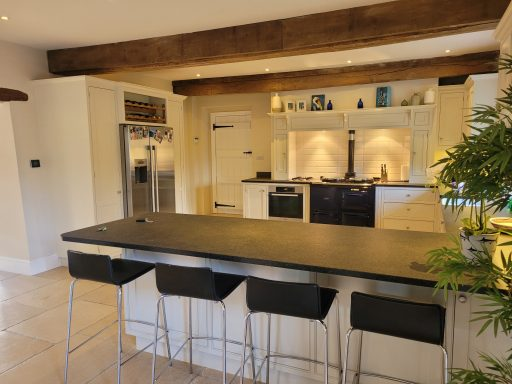
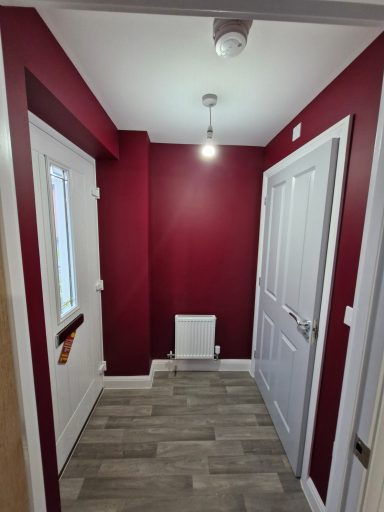
Landlords and lettings in Oxford — plastering
Quick voids, neutral colour schemes, robust trade paints between tenancies. We invoice cleanly and email the photos your agent needs. Talk to us about a rolling rate.