How to Prepare for Fence Painting & Staining in Painswick
For period manor houses in Painswick, preparation for fence painting & staining is especially important. The right prep work ensures your finish looks great and lasts for years. Here's our professional guide.
When we quote fence painting & staining in Painswick, we factor in route access — in the Cotswolds AONB with the A429 Fosse Way as the main spine — and our familiarity with Cotswold District Council property stock. We regularly travel to Stow-on-the-Wold (8 mi N) and Burford (10 mi E) for similar jobs. Final coat photos and a written guarantee in your inbox before we hand back keys. One trusted lead decorator on site each day — no rotating cast of subbies. Heritage colour palettes (Edwardian neutrals, Georgian off-whites, mid-century jewel tones) get matched in trade tin where the client wants them. Lighting test boards go up before final colour signoff — north-facing rooms need a different undertone to south-facing ones, and we'll prove it on the wall.
Step-by-Step Preparation
Check fence condition
Inspect for rotten posts, broken panels, loose nails, and moss/algae growth. Repair or replace damaged sections first.
Clean the fence
Brush off loose dirt, moss, and flaking paint. For heavily soiled fences, use a garden sprayer with fence cleaner. Allow to dry 48 hours.
Protect surrounding areas
Mask adjacent walls, patios, and plants. Lay down old sheets or cardboard to catch drips.
Choose your product
Decide between fence stain (shows grain), fence paint (solid colour), or preservative (natural protection). Each has different application methods.
Plan your application method
Brush application gives the best penetration. Spray is faster for large runs but needs thorough masking. Pad applicators work well for flat panels.
Common Mistakes to Avoid
Painting wet or damp fences — treatment can't penetrate wet wood
Applying too much in one coat — causes drips and pools that take days to dry
Not protecting plants — fence paint kills plants it contacts
Using old or congealed product — gives an uneven, patchy finish
Painting in direct sun — causes the finish to dry too fast and look streaky
What We Handle
We handle cleaning, preparation, masking, and application. We use professional spray equipment for large fence runs and brush application for detailed areas.
DIY vs Professional
Fence painting is manageable DIY for a short run. For long boundaries or difficult access, professional spray application is 5x faster and gives an even, professional finish.
Fence Painting & Staining Preparation Notes for Painswick
From Bourton-on-the-Water out to the surrounding The Cotswolds villages, we see a consistent pattern. thatch-line staining where rain runoff has marked the limewashed walls below is a frequent finding, and we always quote on the basis of fixing the underlying issue rather than painting over it.
One of the things we've learned working fence painting & staining prep jobs in Painswick: oak-framed barn conversions reacts differently to modern paints than newer-build construction does. We adjust our specification accordingly — often using breathable systems where appropriate.
One pattern we see consistently across GL55 and GL7 is moss and lichen on shaded north-facing Cotswold stone garden walls. It's not always obvious from the street, but it shows up almost immediately during a proper survey. Treating it correctly takes longer than ignoring it, but the fence painting & staining finish that goes on top will outlast a quick-cover job by years rather than months.
For Painswick fence painting & staining customers asking what's typical for the area: jobs around Stow market square skew towards heritage colour palettes and breathable products, while modern estates within GL56 are often more about contemporary neutrals on plasterboard and MDF. Both are equally valid — they just need different specifications, and we quote each on its own terms.
Cotswold limestone is naturally porous, so breathable masonry coatings and lime washes outperform vinyl paints on exposed elevations. For Painswick fence painting & staining customers that has practical consequences: the timing window for exterior work is tighter than people often assume, and interior rooms on north-facing elevations within the GL56 and GL54 areas are noticeably more prone to condensation. We factor both into the products and additives we recommend during the quote stage.
Local material reality matters: stone-mullioned windows on listed cottages dominates parts of Painswick that newer build does not, and the local climate adds its own demands. Cotswold limestone is naturally porous, so breathable masonry coatings and lime washes outperform vinyl paints on exposed elevations. Combined, this means our fence painting & staining specifications for properties around Bibury will often differ noticeably from those a few postcodes away — and rightly so, given how differently those properties behave over a ten-year horizon.
Within GL56 alone we've handled everything from lime mortar repointing visible behind failing modern paint on stone elevations through to thatch-line staining where rain runoff has marked the limewashed walls below, and the postcode boundary running through Painswick means properties on the GL55 side often present slightly different issues again. Most fence painting & staining jobs in the area touch on at least one of these patterns, which is why we always survey thoroughly before quoting — generic per-room pricing rarely matches what a Painswick property actually needs.
Preparation FAQs — Fence Painting & Staining in Painswick
Do you repair cracks and holes as part of fence painting & staining?
Yes — our quotes include filling cracks, holes, and imperfections. For extensive plaster damage, we may recommend re-skimming sections for the best result.
Do I need to move furniture before fence painting & staining?
We move and protect furniture as part of our service. For larger items, just clear small personal items. We'll take care of the rest.
What preparation do mullioned-window properties need before fence painting & staining?
mullioned-window properties in Painswick often need specific surface treatment — checking for damp, repairing cracks, and selecting the right primers. We assess all this during our initial visit.
How long does preparation take for fence painting & staining?
Preparation typically takes 30-50% of the total project time. It might seem like a lot, but it's what makes the difference between a finish that lasts 2 years and one that lasts 10.
Should I remove wallpaper before you start?
We can handle wallpaper removal as part of the project. In fact, we prefer to do it ourselves to ensure the surface underneath is properly prepared for a lasting finish.
How should I prepare my Painswick home for fence painting & staining?
Remove or cover valuables, clear surfaces near walls, and ensure access to the rooms being worked on. We handle all surface preparation — filling, sanding, priming, and protection of fixtures.
Are conservation-area rules an issue for fence painting & staining in Painswick?
They can be — located inside the Cotswolds AONB with strict guidance on stone, lime and colour choices. We've worked on plenty of regulated properties in the area and can advise on appropriate breathable, lime-based or heritage-colour options before any work starts.
Do you cover the areas around Painswick?
Yes — It sits between Cirencester (about 12 miles S), Stow-on-the-Wold (about 8 miles N) and Burford (about 10 miles E). and our normal fence painting & staining radius extends right across Gloucestershire. No call-out fee for sites in this radius.
Let Us Handle the Preparation
We take care of everything — from surface prep to the final coat. Free quotes for Painswick. 10/10 rated.
Recent Fence Painting & Staining Work Near Painswick
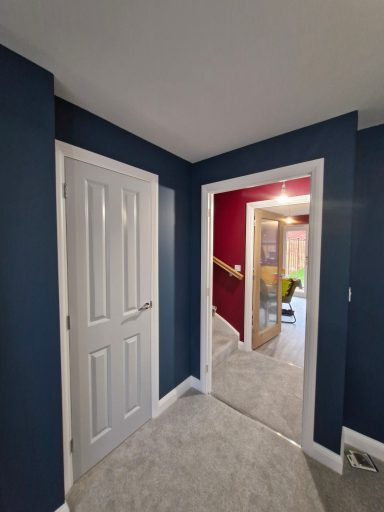
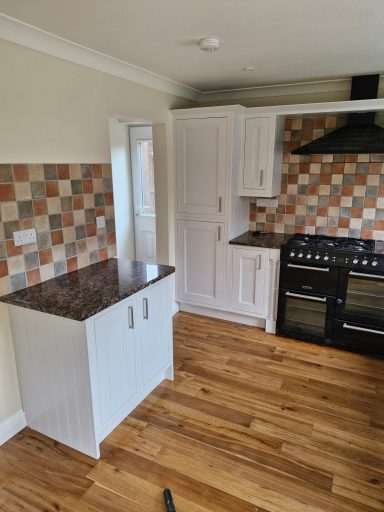
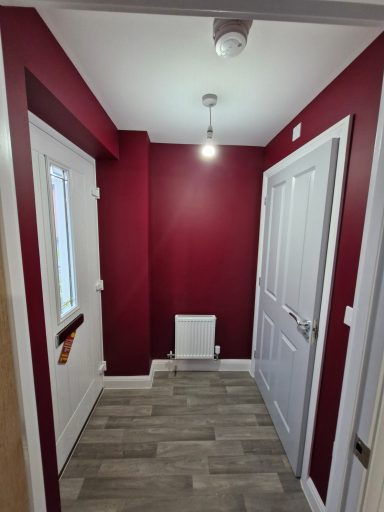
Real projects from our portfolio around The Cotswolds.
Landlords and lettings in Painswick — fence painting & staining
Quick voids, neutral colour schemes, robust trade paints between tenancies. We invoice cleanly and email the photos your agent needs. Talk to us about a rolling rate.