How to Prepare for Kitchen Cabinet Painting in Gloucester
For timber-framed properties in Gloucester, preparation for kitchen cabinet painting is especially important. The right prep work ensures your finish looks great and lasts for years. Here's our professional guide.
If you're weighing up kitchen cabinet painting options in Gloucester, the practical bits matter. We're inside Gloucester City Council, two M5 junctions serve the city with the A40 running east toward Cheltenham, and we coordinate around your week — not ours. We protect floors, soft furnishings and entryways before a single brush comes out. Quotes itemise every coat and prep stage so you can compare like-for-like. Heritage colour palettes (Edwardian neutrals, Georgian off-whites, mid-century jewel tones) get matched in trade tin where the client wants them. Ceilings get a flat matt with no sheen, walls get a wipeable matt or eggshell depending on use, woodwork gets a 30% satin for durability without glare.
Step-by-Step Preparation
Remove doors and hardware
Label every door and drawer with masking tape numbers. Remove handles, hinges, and catches. Store hardware in labelled bags so everything goes back in the right place.
Degrease thoroughly
Kitchen cabinets accumulate years of cooking grease. Clean every surface with specialist kitchen degreaser — not just sugar soap. This is the most important preparation step.
Sand all surfaces
Sand with 120-grit to create a key for primer. Sand again with 240-grit for a smooth base. Pay special attention to edges and profile details on panel doors.
Apply specialist primer
Use a bonding primer designed for kitchen cabinets (not standard primer). This is what prevents peeling — it's the critical difference between a lasting finish and one that chips.
Plan your workspace
Set up a clean, dust-free area for painting doors. A garage or spare room works well. Support doors on painting pyramids so you can paint both sides.
Common Mistakes to Avoid
Not degreasing properly — primer and paint can't bond to greasy surfaces
Using standard wall primer — it's not tough enough for kitchen cabinets
Painting in a dusty environment — dust settles in wet paint creating a rough finish
Applying paint too thickly — causing drips and an orange-peel texture
Rehinging doors before paint fully cures — causing sticking and paint damage
What We Handle
We handle the complete process — door removal, degreasing, sanding, specialist primer, multiple coats, and rehinging. Your kitchen is back to full use as quickly as possible.
DIY vs Professional
DIY cabinet painting can work but demands specialist products, patience, and a dust-free space. The difference between DIY and professional is visible in the finish quality and longevity.
Kitchen Cabinet Painting Preparation Notes for Gloucester
One of the things we've learned working kitchen cabinet painting prep jobs in Gloucester: Edwardian bay-window terraces reacts differently to modern paints than newer-build construction does. We adjust our specification accordingly — often using breathable systems where appropriate.
Travelling out from Pittville Park, the housing stock changes quickly. Within a few minutes' drive we'll see Edwardian bay-window terraces sitting next to much newer properties — so every kitchen cabinet painting prep quote we provide in Gloucester is tailored to the specific property in front of us.
Local material reality matters: Edwardian bay-window terraces dominates parts of Gloucester that newer build does not, and the local climate adds its own demands. the Severn Vale brings persistent westerly weather and high humidity, while Cotswold edge properties face exposed elevations. Combined, this means our kitchen cabinet painting specifications for properties around Pittville Park will often differ noticeably from those a few postcodes away — and rightly so, given how differently those properties behave over a ten-year horizon.
Within GL50 alone we've handled everything from Regency stucco crazing on Cheltenham terraces that needs flexible elastomeric coatings through to Victorian villa staircase woodwork in Pittville and Tivoli, and the postcode boundary running through Gloucester means properties on the GL51 side often present slightly different issues again. Most kitchen cabinet painting jobs in the area touch on at least one of these patterns, which is why we always survey thoroughly before quoting — generic per-room pricing rarely matches what a Gloucester property actually needs.
Drive five minutes out from Pittville Park and the housing stock changes character noticeably. Closer to the centre we see more Regency stucco rendered onto brick; further out it shifts towards Victorian villa double-skin brickwork. That mix is one of the things that makes kitchen cabinet painting in Gloucester interesting — no two streets ask for exactly the same specification, and a single quote template would do most properties a disservice.
Specific issues we encounter often in Gloucester include Regency stucco crazing on Cheltenham terraces that needs flexible elastomeric coatings, magnolia-over-magnolia interiors in 1980s Gloucester estates, and Victorian villa staircase woodwork in Pittville and Tivoli. Each one has its own correct response, and lumping them together under "preparation" doesn't do justice to how much the right approach extends the life of a kitchen cabinet painting finish. Our quotes itemise this work so you can see exactly what's being done and why.
Work near Cheltenham Promenade tends to involve the older end of the local housing stock. Recurring themes here include magnolia-over-magnolia interiors in 1980s Gloucester estates and the careful prep needed before any topcoat goes near Regency stucco rendered onto brick. We've developed a sequence for these properties that addresses the substrate first — fillers, primers, and stabilisers chosen for the specific construction — rather than relying on the paint itself to compensate for poor preparation.
Preparation FAQs — Kitchen Cabinet Painting in Gloucester
How should I prepare my Gloucester home for kitchen cabinet painting?
Remove or cover valuables, clear surfaces near walls, and ensure access to the rooms being worked on. We handle all surface preparation — filling, sanding, priming, and protection of fixtures.
Do you repair cracks and holes as part of kitchen cabinet painting?
Yes — our quotes include filling cracks, holes, and imperfections. For extensive plaster damage, we may recommend re-skimming sections for the best result.
What happens if you find damp during preparation?
We'll flag any issues immediately and discuss options. Minor damp can often be treated as part of the project. For more serious issues, we'll recommend appropriate treatment before painting.
Should I remove wallpaper before you start?
We can handle wallpaper removal as part of the project. In fact, we prefer to do it ourselves to ensure the surface underneath is properly prepared for a lasting finish.
How long does preparation take for kitchen cabinet painting?
Preparation typically takes 30-50% of the total project time. It might seem like a lot, but it's what makes the difference between a finish that lasts 2 years and one that lasts 10.
Do I need to move furniture before kitchen cabinet painting?
We move and protect furniture as part of our service. For larger items, just clear small personal items. We'll take care of the rest.
Which local authority covers Gloucester?
Properties in Gloucester fall under Gloucester City Council. We're used to the planning and conservation rules that apply to kitchen cabinet painting work in this area.
How quickly can you reach Gloucester from Swindon?
two M5 junctions serve the city with the A40 running east toward Cheltenham — so our team usually reaches Gloucester comfortably for a 7:30am start and we don't pad the quote for travel.
Let Us Handle the Preparation
We take care of everything — from surface prep to the final coat. Free quotes for Gloucester. 10/10 rated.
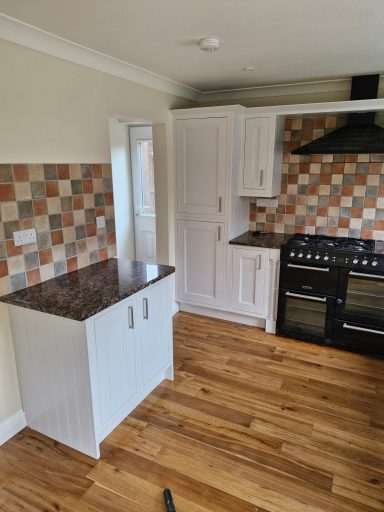
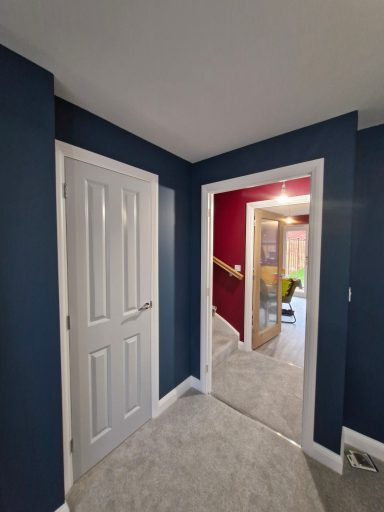
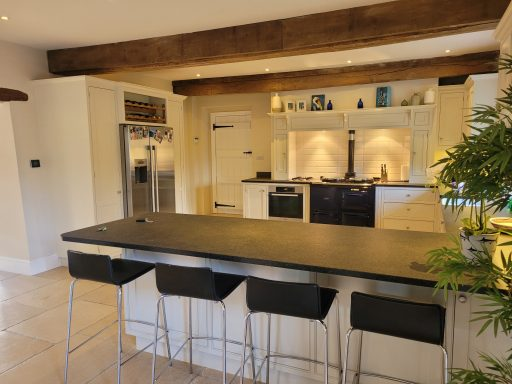
Recent Kitchen Cabinet Painting Work Near Gloucester
Real projects from our portfolio around Central Gloucestershire.
Make a start on your Gloucester kitchen cabinet painting
Send a few phone photos and a rough room list. We'll come back with a written scope, sensible colour shortlist, and a realistic week-by-week plan.