Letting and managing agents · Bath & North East Somerset Council
New Build Colour Schemes in Bath
Bath's UNESCO-protected Georgian stone-fronted terraces have some of the strictest colour and finish conventions in England — the wrong front-door colour is genuinely a planning issue in the World Heritage Site.
New builds ship with contract magnolia over a single mist coat — it's the cheapest possible finish and rarely lasts more than 18 months. Repainting with a proper spec transforms the feel of the house and stops the walls looking chalky within a year.
The colours we actually reach for
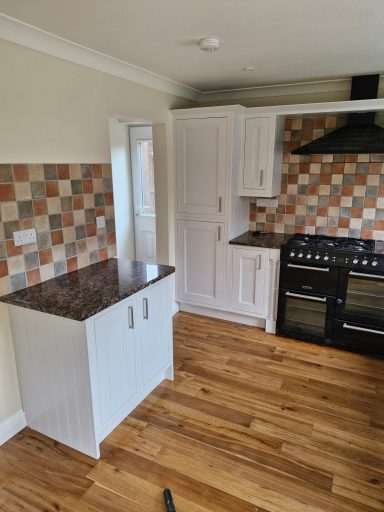
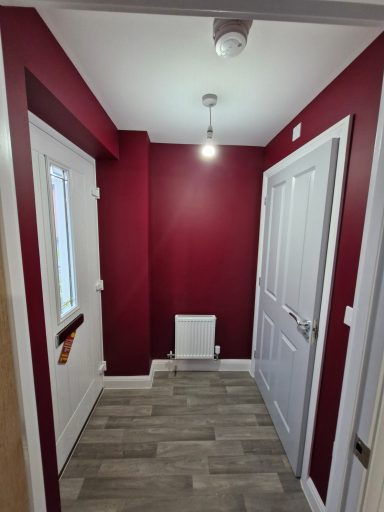
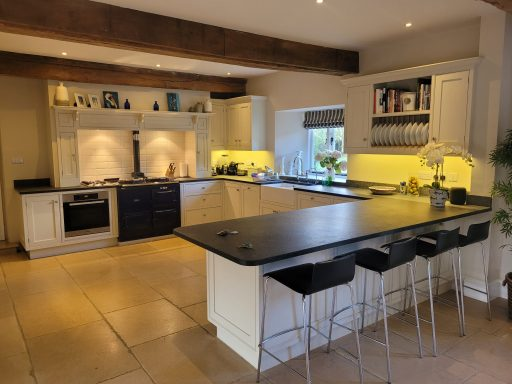
Start from the things you are not changing, the flooring, the worktop, the sofa, and choose paint around them rather than the other way round.
Sample first, decide later
We would always rather you lived with two cards for a week than committed on a Saturday afternoon. Ask us for the shortlist and take your time.
Working with Bath homes on new build colour schemes
One of the things we've learned working interior painting jobs in Bath: traditional UK construction methods typical of Bath reacts differently to modern paints than newer-build construction does. We adjust our specification accordingly — often using breathable systems where appropriate.
Bath sits within SN1, and Somerset's Atlantic-influenced climate brings driving rain and mild but humid winters that work hard on exterior coatings. That climate is the main reason we always specify the right primer system here — particularly on jobs that involve interior plaster patching and skim coats.
Where we work near you. It sits between Bradford-on-Avon (about 7 miles SE), Corsham (about 9 miles E), Trowbridge (about 10 miles SE) and Frome (about 13 miles S). If your property sits between two of those, the price does not change.
Within SN1 alone we've handled everything from render and masonry preparation before painting through to interior plaster patching and skim coats, and the postcode boundary running through Bath means properties on the SN1 side often present slightly different issues again. Most interior painting jobs in the area touch on at least one of these patterns, which is why we always survey thoroughly before quoting — generic per-room pricing rarely matches what a Bath property actually needs.
Local material reality matters: traditional UK construction methods typical of Bath dominates parts of Bath that newer build does not, and the local climate adds its own demands. Somerset's Atlantic-influenced climate brings driving rain and mild but humid winters that work hard on exterior coatings. Combined, this means our interior painting specifications for properties around the centre of Bath will often differ noticeably from those a few postcodes away — and rightly so, given how differently those properties behave over a ten-year horizon.
Somerset's Atlantic-influenced climate brings driving rain and mild but humid winters that work hard on exterior coatings. For Bath interior painting customers that has practical consequences: the timing window for exterior work is tighter than people often assume, and interior rooms on north-facing elevations within the SN1 and SN1 areas are noticeably more prone to condensation. We factor both into the products and additives we recommend during the quote stage.
Local property types, and what changes
If you are specifying this on someone else's behalf
Agents need a scheme that is defensible to the landlord and neutral enough not to put off applicants. Two or three house-standard colours across a portfolio beats a different palette in every property.
If the house is new and the paint is already letting it down
Developer contract emulsion is a primer pretending to be a finish. Any colour you choose will look thin over it, so the first coat is about building a proper base, not about the colour at all.
How the light in this room changes the answer
Most colour advice ignores the room itself. Light is the variable people underestimate: the same tin behaves differently on every aspect and at every time of day.
Start from the things you are not changing, the flooring, the worktop, the sofa, and choose paint around them rather than the other way round. Get that right and the specific colour name matters far less than people expect.
Picking from a printed chart under shop lighting is the root cause of most of the colour regrets we are asked to fix. Agents need a scheme that is defensible to the landlord and neutral enough not to put off applicants. Two or three house-standard colours across a portfolio beats a different palette in every property.
Circus and Royal Crescent addresses fall under listed-building rules; Bathwick and Weston Victorian terraces have more flexibility; Larkhall and Combe Down 1930s stock takes modern colour schemes well.
Bath's steep valley setting means light quality varies dramatically street-to-street — we always sample colours on-site here before committing to a whole-house spec.
Two large sample cards, two different walls, judged in daylight and after dark.
Getting it on the wall properly
New-build plaster needs a full mist coat before any decorative paint — the developer's mist coat is almost never enough. Apply dilute matt emulsion (30% water), let it dry 24 hours, then two full coats of your finish colour.
Finish. Match the sheen to the traffic: flat matt where nothing touches, washable matt or eggshell where things do.
In kitchens and bathrooms we move to a moisture-tolerant finish with a mould inhibitor rather than relying on the standard emulsion to cope with steam.
New-build skirtings and architrave are typically MDF with a factory prime — sand them lightly and apply Zinsser BIN shellac primer before any topcoat. The factory primer alone won't hold gloss or eggshell for long.
Cornforth White throughout, with Down Pipe on a single feature wall in the master bedroom and hallway — a two-colour scheme that feels expensive without complexity.
The awkward questions, answered
When should I repaint a new build?
Wait 6-12 months for the plaster to fully dry and any settlement cracks to appear. Repainting sooner means those cracks reappear through your paint within a year.
Is developer paint any good?
Rarely — it's usually contract matt over a thin mist coat, chosen for coverage speed not durability. A proper repaint at year one adds 5-10 years of finish life.
Do new builds need special paint?
No, but they do need proper prep — a full mist coat on walls, and a shellac primer on the MDF trim. Skip either and the finish fails within a year.
Do you invoice the agency or the landlord?
Either. Tell us at quote stage and we will set the paperwork up that way, including a purchase-order reference if your system needs one.
How many coats will it need?
Two over a sound, previously painted surface in a similar tone. Three if you are going significantly darker or lighter, or covering contract emulsion.
Should the woodwork match the walls?
In this room, it depends on whether you want the architecture to stand forward or recede; matching plays it down, contrasting picks it out.
Does the direction the room faces really matter?
Light is the variable people underestimate: the same tin behaves differently on every aspect and at every time of day. It changes which undertone works, more than it changes which colour family works.
Pulling it together
How hard the room is used decides the finish long before the colour decides anything. Match the sheen to the traffic: flat matt where nothing touches, washable matt or eggshell where things do.
Tell us roughly when you want the work done and we'll hold a provisional slot for a week while you decide. No deposit, no commitment, no chasing emails.
New Build Colour Schemes in nearby towns
More Bath colour guides
- North Facing Room Colours in Bath
- Kitchen Cabinet Colours in Bath
- Farrow & Ball Colours in Bath
- Small Room Colours That Make a Space Feel Bigger in Bath
Ready to book? See our interior painting in Bath page for quotes and typical prices.
Book a free colour consultation in Bath
We'll bring the full deck to your home, sample large cards on the actual walls, and give you a fixed quote — no obligation.