Commercial Painting for Victorian Homes in Cheltenham
Our commercial painting work on victorian homes in Central Gloucestershire has given us deep expertise in the specific challenges these properties present. Every project starts with understanding your property's unique requirements.
Our Cheltenham clients tend to be owners and landlords inside the Cheltenham Borough Council boundary. ringed by M5 junctions 10 and 11 with the A40 running east into the Cotswolds. We regularly travel to Tewkesbury (9 mi NW) and Cirencester (14 mi SE) for similar jobs. Honest about timelines: if a coat needs 24 hours to cure, we say so up front. Snag-free hand-back is the bar: we walk the job with you before we leave. Ceilings get a flat matt with no sheen, walls get a wipeable matt or eggshell depending on use, woodwork gets a 30% satin for durability without glare. Bathroom and kitchen commercial painting usually means moisture-tolerant paint, mould-resistant caulk, and ventilation checks before we commit to a finish.
Victorian Homes — Decorating Challenges
High ceilings requiring scaffolding or specialist access equipment
Ornate cornicing, ceiling roses, and dado rails needing careful cutting-in
Original sash windows with intricate glazing bars
Multiple layers of old lead-based paint requiring safe removal
Lime plaster walls that need compatible paints and primers
Period colour schemes that complement original architectural features
The Gloucestershire climate exposes victorian homes to specific weathering patterns. Exterior finishes need to be chosen for durability against local conditions.
Victorian Homes in Cheltenham often have walls built with local materials that require specific preparation — lime mortar joints, stone lintels, and original plasterwork need careful attention.
How We Handle Commercial Painting on Victorian Homes
Specialist lead paint testing and safe removal where required
Breathable paints for lime plaster walls (limewash, clay, or mineral paints)
Hand-painted cornicing and detailed moulding work
Sash window restoration and repainting with flexible coatings
Heritage colour matching using Farrow & Ball, Little Greene, and Edward Bulmer
Commercial Painting for Victorian Homes in Cheltenham — Local Context
Properties around Cheltenham Promenade typically feature Victorian villa double-skin brickwork. Our commercial painting for victorian homes approach for these homes accounts for those specifics so the finish bonds properly and lasts.
From Cheltenham Promenade out to the surrounding Central Gloucestershire villages, we see a consistent pattern. Victorian villa staircase woodwork in Pittville and Tivoli is a frequent finding, and we always quote on the basis of fixing the underlying issue rather than painting over it.
Drive five minutes out from Pittville Park and the housing stock changes character noticeably. Closer to the centre we see more Regency stucco rendered onto brick; further out it shifts towards Victorian villa double-skin brickwork. That mix is one of the things that makes commercial painting for victorian homes in Cheltenham interesting — no two streets ask for exactly the same specification, and a single quote template would do most properties a disservice.
Specific issues we encounter often in Cheltenham include Regency stucco crazing on Cheltenham terraces that needs flexible elastomeric coatings, magnolia-over-magnolia interiors in 1980s Gloucester estates, and Victorian villa staircase woodwork in Pittville and Tivoli. Each one has its own correct response, and lumping them together under "preparation" doesn't do justice to how much the right approach extends the life of a commercial painting for victorian homes finish. Our quotes itemise this work so you can see exactly what's being done and why.
Work near Cheltenham Promenade tends to involve the older end of the local housing stock. Recurring themes here include magnolia-over-magnolia interiors in 1980s Gloucester estates and the careful prep needed before any topcoat goes near Regency stucco rendered onto brick. We've developed a sequence for these properties that addresses the substrate first — fillers, primers, and stabilisers chosen for the specific construction — rather than relying on the paint itself to compensate for poor preparation.
One pattern we see consistently across GL3 and GL1 is Regency stucco crazing on Cheltenham terraces that needs flexible elastomeric coatings. It's not always obvious from the street, but it shows up almost immediately during a proper survey. Treating it correctly takes longer than ignoring it, but the commercial painting for victorian homes finish that goes on top will outlast a quick-cover job by years rather than months.
Within GL4 alone we've handled everything from Regency stucco crazing on Cheltenham terraces that needs flexible elastomeric coatings through to Victorian villa staircase woodwork in Pittville and Tivoli, and the postcode boundary running through Cheltenham means properties on the GL3 side often present slightly different issues again. Most commercial painting for victorian homes jobs in the area touch on at least one of these patterns, which is why we always survey thoroughly before quoting — generic per-room pricing rarely matches what a Cheltenham property actually needs.
Victorian Homes Commercial Painting FAQs — Cheltenham
What preparation do victorian homes need before commercial painting?
Victorian Homes often require more extensive preparation than modern properties — lime plaster repair, damp treatment, careful sanding of period features. We never skip these essential steps.
How do you handle lead paint in Victorian homes?
We test for lead paint and follow safe removal practices. In many cases, encapsulation (painting over with specialist primers) is safer and more cost-effective than stripping.
Can you match existing colours on my victorian homes?
Yes — we can colour-match to any existing finish. For victorian homes, we often recommend heritage paint ranges that are designed for these property types.
Do victorian homes need special paint products?
Often yes — victorian homes may need breathable paints, specialist primers, or heritage-grade products. We select the right system for your property's construction and condition.
How much does commercial painting cost for victorian homes in Cheltenham?
Costs depend on the condition and size of your property. Victorian Homes often require more specialist preparation, which can affect pricing. Contact us for a free, detailed quote.
Do Victorian homes need special paint?
Often, yes. If your walls are original lime plaster, they need breathable paints rather than modern vinyl emulsions which can trap moisture. We'll assess your surfaces and recommend the right products.
Do you specialise in victorian homes in Cheltenham?
Yes — we have extensive experience with victorian homes across Central Gloucestershire. We understand the specific challenges and use the right products and techniques for lasting results.
Do you cover the areas around Cheltenham?
Yes — It sits between Stroud (about 14 miles S), Cirencester (about 14 miles SE) and Tewkesbury (about 9 miles NW). and our normal commercial painting radius extends right across Gloucestershire. No call-out fee for sites in this radius.
Are conservation-area rules an issue for commercial painting in Cheltenham?
They can be — the Regency town centre is a major conservation area with thousands of listed terraces. We've worked on plenty of regulated properties in the area and can advise on appropriate breathable, lime-based or heritage-colour options before any work starts.
Commercial Painting for Victorian Homes Nearby
Free Quote for Your Cheltenham Property
Specialist commercial painting for victorian homes. 10/10 Checkatrade rated. Fully insured. NVQ3 qualified.
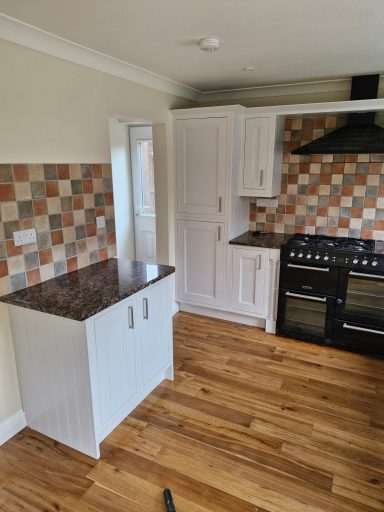
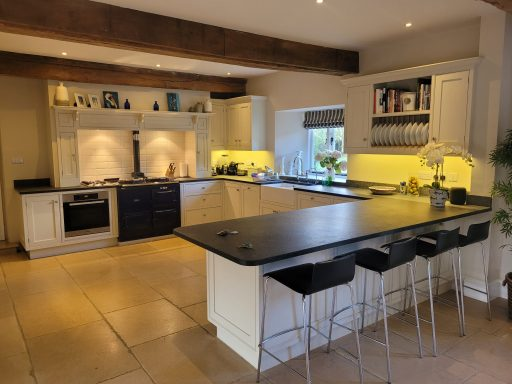
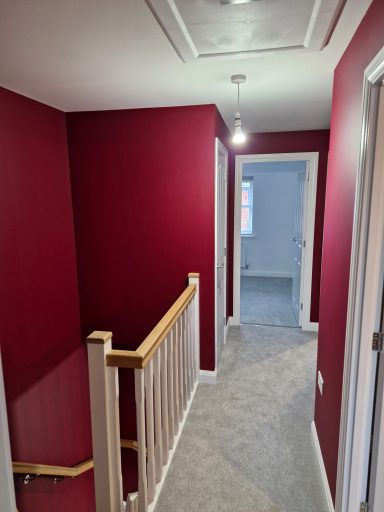
Recent Commercial Painting Work on Victorian Homes Near Cheltenham
A snapshot of real projects from our Central Gloucestershire portfolio.
Get a clear commercial painting quote for Cheltenham — no surprises
Our Cheltenham quotes spell out prep, materials, coats and timeline so you can compare like-for-like. If you've had another quote, we're happy to walk through the differences.