Wooden Floor Sanding & Sealing for 1930s Semi-Detached Homes in Newbury
1930s Semi-Detached Homes in Newbury present specific wooden floor sanding & sealing challenges that require specialist knowledge. The 1930s semi is one of Britain's most common house types. Our experience working with 1930s semi-detached homes across West Berkshire means we understand exactly what's needed.
On wooden floor sanding & sealing projects in Newbury we lean on years of local knowledge — what the West Berkshire Council planners expect, which suppliers stock what, where parking actually works. We protect floors, soft furnishings and entryways before a single brush comes out. Dustless sanding kit means you can usually stay in the property while we work. Heritage colour palettes (Edwardian neutrals, Georgian off-whites, mid-century jewel tones) get matched in trade tin where the client wants them. Lighting test boards go up before final colour signoff — north-facing rooms need a different undertone to south-facing ones, and we'll prove it on the wall.
1930s Semi-Detached Homes — Decorating Challenges
Pebbledash or rough render exteriors needing specialist coatings
Bay windows with complex angles and multiple glazing bars
Picture rails, dado rails, and decorative mouldings
Original Crittal-style metal windows requiring rust treatment
Artex ceilings common in these properties — skim or cover
Single-skin walls prone to cold spots and condensation
The Berkshire climate exposes 1930s semi-detached homes to specific weathering patterns. Exterior finishes need to be chosen for durability against local conditions.
1930s Semi-Detached Homes in Newbury often have walls built with local materials that require specific preparation — lime mortar joints, stone lintels, and original plasterwork need careful attention.
How We Handle Wooden Floor Sanding & Sealing on 1930s Semi-Detached Homes
Textured masonry paint for pebbledash exteriors
Artex skim coating for smooth, modern ceilings
Bay window painting with careful cutting-in at multiple angles
Metal window frame preparation — rust treatment and specialist primers
Condensation-resistant paints for cold external walls
Wooden Floor Sanding & Sealing for 1930s Semi-Detached Homes in Newbury — Local Context
Newbury wooden floor sanding & sealing for 1930s semi-detached homes customers typically have one of two starting points: a property near Highclere Castle that's seen better days, or a recent purchase in the RG14, RG18, RG19 area that needs bringing up to standard. Our process handles both equally well.
Local context matters: Berkshire enjoys one of the drier UK climates but late-summer storms still test exterior paintwork on west-facing elevations. For Newbury wooden floor sanding & sealing for 1930s semi-detached homes jobs — particularly those involving racecourse-area period cottage interior repaints — that affects when we work, what products we use, and how we sequence the prep.
For Newbury wooden floor sanding & sealing for 1930s semi-detached homes customers asking what's typical for the area: jobs around Highclere Castle skew towards heritage colour palettes and breathable products, while modern estates within RG14 are often more about contemporary neutrals on plasterboard and MDF. Both are equally valid — they just need different specifications, and we quote each on its own terms.
One pattern we see consistently across RG18 and RG20 is Lambourn Valley village exterior render painting. It's not always obvious from the street, but it shows up almost immediately during a proper survey. Treating it correctly takes longer than ignoring it, but the wooden floor sanding & sealing for 1930s semi-detached homes finish that goes on top will outlast a quick-cover job by years rather than months.
Work near the Lambourn Valley tends to involve the older end of the local housing stock. Recurring themes here include racecourse-area period cottage interior repaints and the careful prep needed before any topcoat goes near traditional UK construction methods typical of Newbury. We've developed a sequence for these properties that addresses the substrate first — fillers, primers, and stabilisers chosen for the specific construction — rather than relying on the paint itself to compensate for poor preparation.
Specific issues we encounter often in Newbury include racecourse-area period cottage interior repaints, racecourse-area period cottage interior repaints, and racecourse-area period cottage interior repaints. Each one has its own correct response, and lumping them together under "preparation" doesn't do justice to how much the right approach extends the life of a wooden floor sanding & sealing for 1930s semi-detached homes finish. Our quotes itemise this work so you can see exactly what's being done and why.
Drive five minutes out from Newbury Racecourse and the housing stock changes character noticeably. Closer to the centre we see more traditional UK construction methods typical of Newbury; further out it shifts towards traditional UK construction methods typical of Newbury. That mix is one of the things that makes wooden floor sanding & sealing for 1930s semi-detached homes in Newbury interesting — no two streets ask for exactly the same specification, and a single quote template would do most properties a disservice.
1930s Semi-Detached Homes Wooden Floor Sanding & Sealing FAQs — Newbury
Are you experienced with listed or period 1930s semi-detached homes?
Yes — we understand conservation requirements, breathable paint systems, and heritage colour palettes. We work sympathetically with period features to enhance rather than hide them.
How long does wooden floor sanding & sealing last on 1930s semi-detached homes?
With the right preparation and products, our wooden floor sanding & sealing on 1930s semi-detached homes typically lasts 8-12 years for interiors and 5-8 years for exteriors, depending on exposure.
What makes wooden floor sanding & sealing different on 1930s semi-detached homes?
1930s Semi-Detached Homes have specific requirements — from surface types and preparation methods to product compatibility. Getting these right is what delivers a finish that lasts years rather than months.
Can you paint over pebbledash?
Yes — we use specialist textured masonry paint that bonds to pebbledash and provides weather protection. Proper preparation including fungicidal wash is essential.
How much does wooden floor sanding & sealing cost for 1930s semi-detached homes in Newbury?
Costs depend on the condition and size of your property. 1930s Semi-Detached Homes often require more specialist preparation, which can affect pricing. Contact us for a free, detailed quote.
Should I remove artex ceilings?
Usually we recommend skimming over artex rather than removing it — it's faster, cheaper, and avoids potential asbestos disturbance. We can test for asbestos first if your home was built before 2000.
Do 1930s semi-detached homes need special paint products?
Often yes — 1930s semi-detached homes may need breathable paints, specialist primers, or heritage-grade products. We select the right system for your property's construction and condition.
Do you cover the areas around Newbury?
Yes — It sits between Reading (about 17 miles E), Andover (about 16 miles S) and Hungerford (about 9 miles W). and our normal wooden floor sanding & sealing radius extends right across Berkshire. No call-out fee for sites in this radius.
How quickly can you reach Newbury from Swindon?
M4 J13 and the A34 north–south corridor cross at Newbury — so our team usually reaches Newbury comfortably for a 7:30am start and we don't pad the quote for travel.
Wooden Floor Sanding & Sealing for 1930s Semi-Detached Homes Nearby
Wooden Floor Sanding & Sealing for Your 1930s Semi-Detached Homes
Specialist wooden floor sanding & sealing for 1930s semi-detached homes in Newbury. Free quotes from 10/10 rated experts.
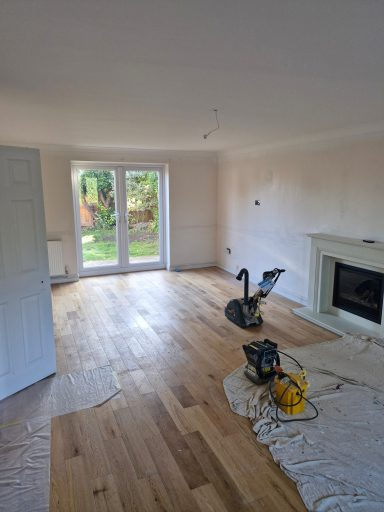
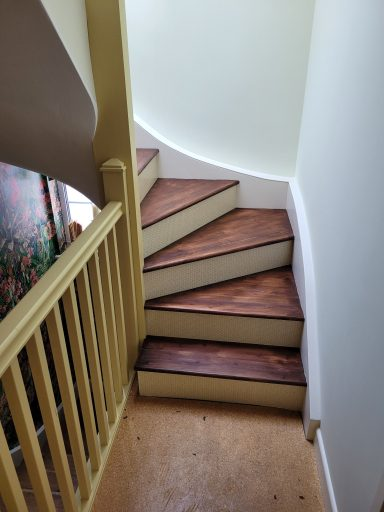
Recent Wooden Floor Sanding & Sealing Work on 1930s Semi-Detached Homes Near Newbury
A snapshot of real projects from our West Berkshire portfolio.
Landlords and lettings in Newbury — wooden floor sanding & sealing
Quick voids, neutral colour schemes, robust trade paints between tenancies. We invoice cleanly and email the photos your agent needs. Talk to us about a rolling rate.