Wooden Floor Sanding & Sealing for Victorian Homes in Cheltenham
Our wooden floor sanding & sealing work on victorian homes in Central Gloucestershire has given us deep expertise in the specific challenges these properties present. Every project starts with understanding your property's unique requirements.
Cheltenham is ringed by M5 junctions 10 and 11 with the A40 running east into the Cotswolds. Most of our wooden floor sanding & sealing work in Cheltenham is for owners inside Cheltenham Borough Council. We regularly travel to Stroud (14 mi S) and Gloucester (9 mi SW) for similar jobs. Premium trade paints (Mylands, F&B, Tikkurila where it makes sense) — not contractor white. Daily clean-down at end of shift — no piles of dust sheets left in your hallway. Materials we lean on around Cheltenham: Mylands Marble Matt for walls, Tikkurila Helmi 30 for trim, Bedec MSP for radiators that need to handle heat without yellowing. Common spec on these projects: zinsser BIN primer over stains, two-pack filler on knocks, caulk to crisp lines, water-based eggshell for low-odour curing.
Victorian Homes — Decorating Challenges
High ceilings requiring scaffolding or specialist access equipment
Ornate cornicing, ceiling roses, and dado rails needing careful cutting-in
Original sash windows with intricate glazing bars
Multiple layers of old lead-based paint requiring safe removal
Lime plaster walls that need compatible paints and primers
Period colour schemes that complement original architectural features
The Gloucestershire climate exposes victorian homes to specific weathering patterns. Exterior finishes need to be chosen for durability against local conditions.
Victorian Homes in Cheltenham often have walls built with local materials that require specific preparation — lime mortar joints, stone lintels, and original plasterwork need careful attention.
How We Handle Wooden Floor Sanding & Sealing on Victorian Homes
Specialist lead paint testing and safe removal where required
Breathable paints for lime plaster walls (limewash, clay, or mineral paints)
Hand-painted cornicing and detailed moulding work
Sash window restoration and repainting with flexible coatings
Heritage colour matching using Farrow & Ball, Little Greene, and Edward Bulmer
Wooden Floor Sanding & Sealing for Victorian Homes in Cheltenham — Local Context
Cheltenham sits within GL1, GL2, GL3, and the Severn Vale brings persistent westerly weather and high humidity, while Cotswold edge properties face exposed elevations. That climate is the main reason we always specify the right primer system here — particularly on jobs that involve magnolia-over-magnolia interiors in 1980s Gloucester estates.
Homeowners near Gloucester Cathedral often ask about magnolia-over-magnolia interiors in 1980s Gloucester estates. We handle this regularly — Edwardian bay-window terraces responds well to a careful prep sequence followed by the right specification of paint or coating.
Work near Cheltenham Promenade tends to involve the older end of the local housing stock. Recurring themes here include magnolia-over-magnolia interiors in 1980s Gloucester estates and the careful prep needed before any topcoat goes near Regency stucco rendered onto brick. We've developed a sequence for these properties that addresses the substrate first — fillers, primers, and stabilisers chosen for the specific construction — rather than relying on the paint itself to compensate for poor preparation.
One pattern we see consistently across GL53 and GL2 is Regency stucco crazing on Cheltenham terraces that needs flexible elastomeric coatings. It's not always obvious from the street, but it shows up almost immediately during a proper survey. Treating it correctly takes longer than ignoring it, but the wooden floor sanding & sealing for victorian homes finish that goes on top will outlast a quick-cover job by years rather than months.
For Cheltenham wooden floor sanding & sealing for victorian homes customers asking what's typical for the area: jobs around Gloucester Cathedral skew towards heritage colour palettes and breathable products, while modern estates within GL52 are often more about contemporary neutrals on plasterboard and MDF. Both are equally valid — they just need different specifications, and we quote each on its own terms.
the Severn Vale brings persistent westerly weather and high humidity, while Cotswold edge properties face exposed elevations. For Cheltenham wooden floor sanding & sealing for victorian homes customers that has practical consequences: the timing window for exterior work is tighter than people often assume, and interior rooms on north-facing elevations within the GL52 and GL1 areas are noticeably more prone to condensation. We factor both into the products and additives we recommend during the quote stage.
Drive five minutes out from Pittville Park and the housing stock changes character noticeably. Closer to the centre we see more Regency stucco rendered onto brick; further out it shifts towards Victorian villa double-skin brickwork. That mix is one of the things that makes wooden floor sanding & sealing for victorian homes in Cheltenham interesting — no two streets ask for exactly the same specification, and a single quote template would do most properties a disservice.
Victorian Homes Wooden Floor Sanding & Sealing FAQs — Cheltenham
What preparation do victorian homes need before wooden floor sanding & sealing?
Victorian Homes often require more extensive preparation than modern properties — lime plaster repair, damp treatment, careful sanding of period features. We never skip these essential steps.
Can you show me examples of wooden floor sanding & sealing on victorian homes near Cheltenham?
Yes — we have a portfolio of completed projects on victorian homes across Central Gloucestershire. Contact us and we'll share examples relevant to your property.
What makes wooden floor sanding & sealing different on victorian homes?
Victorian Homes have specific requirements — from surface types and preparation methods to product compatibility. Getting these right is what delivers a finish that lasts years rather than months.
How do you handle lead paint in Victorian homes?
We test for lead paint and follow safe removal practices. In many cases, encapsulation (painting over with specialist primers) is safer and more cost-effective than stripping.
Can you match existing colours on my victorian homes?
Yes — we can colour-match to any existing finish. For victorian homes, we often recommend heritage paint ranges that are designed for these property types.
Do victorian homes need special paint products?
Often yes — victorian homes may need breathable paints, specialist primers, or heritage-grade products. We select the right system for your property's construction and condition.
Can you match original Victorian colour schemes?
Yes — we use heritage paint ranges from Farrow & Ball, Little Greene, and Edward Bulmer that are specifically formulated to replicate authentic period colours.
Do you do commercial wooden floor sanding & sealing near Cheltenham?
Yes. We regularly take commercial wooden floor sanding & sealing jobs around Cheltenham Promenade — a key local high street — and can quote inside or outside business hours.
Which local authority covers Cheltenham?
Properties in Cheltenham fall under Cheltenham Borough Council. Note: the Regency town centre is a major conservation area with thousands of listed terraces. We're used to the planning and conservation rules that apply to wooden floor sanding & sealing work in this area.
Wooden Floor Sanding & Sealing for Victorian Homes Nearby
Expert Care for Victorian Homes
We know victorian homes inside and out. Professional wooden floor sanding & sealing across Central Gloucestershire. Call for a free quote.
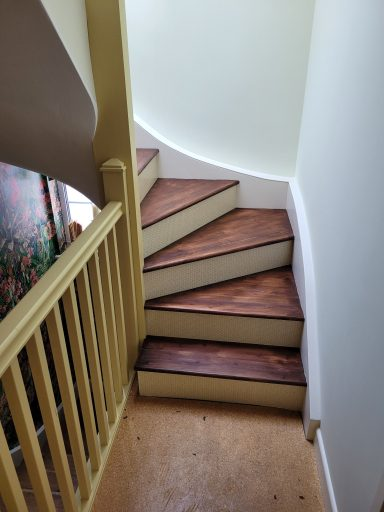
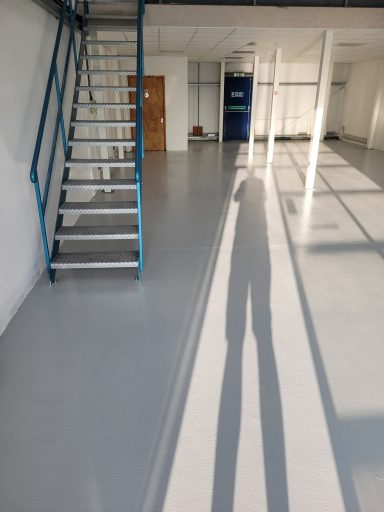
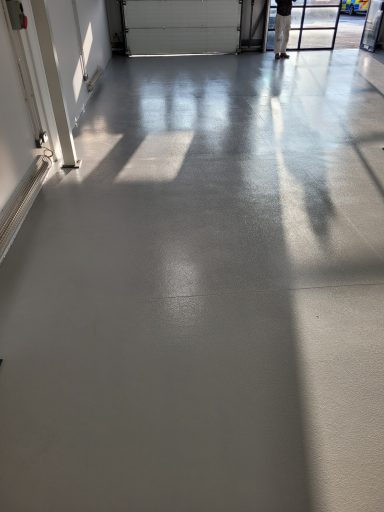
Recent Wooden Floor Sanding & Sealing Work on Victorian Homes Near Cheltenham
A snapshot of real projects from our Central Gloucestershire portfolio.
Choosing the right wooden floor sanding & sealing finish for Cheltenham
Not sure between eggshell, satinwood, mineral paint or paper? Bring the brief and we'll suggest finishes that suit the property, the use and your maintenance appetite.