Interior Painting for Listed Buildings in Gloucester
Decorating listed buildings in Gloucester is a speciality of ours. We understand the specific requirements — from surface preparation to finish selection — that make the difference between a good result and a lasting one.
Gloucester is two M5 junctions serve the city with the A40 running east toward Cheltenham. Most of our interior painting work in Gloucester is for owners inside Gloucester City Council. We regularly travel to Newent (10 mi NW) and Cheltenham (9 mi NE) for similar jobs. Premium trade paints (Mylands, F&B, Tikkurila where it makes sense) — not contractor white. Final coat photos and a written guarantee in your inbox before we hand back keys. Exterior pricing factors: scaffold versus extension ladder access, masonry porosity, lichen treatment, and a fungicidal wash before stabilising. Bathroom and kitchen interior painting usually means moisture-tolerant paint, mould-resistant caulk, and ventilation checks before we commit to a finish.
Listed Buildings — Decorating Challenges
Listed building consent required for many external changes
Restrictions on paint colours, especially for exteriors
Use of traditional materials — lime plaster, limewash, linseed putty
Conservation officer approval for any work affecting character
Original features that must be preserved, not modernised
Finding and using historically appropriate paint formulations
Listed Buildings in Central Gloucestershire may be in conservation areas, which can restrict colour choices for exterior decoration. We can advise on compliant heritage palettes.
The Gloucestershire climate exposes listed buildings to specific weathering patterns. Exterior finishes need to be chosen for durability against local conditions.
How We Handle Interior Painting on Listed Buildings
Traditional limewash preparation and application
Linseed oil paint for external woodwork (the traditional choice)
Heritage paint ranges with historically accurate colour matching
Lime plaster repair using traditional methods and materials
Documentation and photography for conservation records
Interior Painting for Listed Buildings in Gloucester — Local Context
Gloucester sits within GL1, GL2, GL3, and the Severn Vale brings persistent westerly weather and high humidity, while Cotswold edge properties face exposed elevations. That climate is the main reason we always specify the right primer system here — particularly on jobs that involve magnolia-over-magnolia interiors in 1980s Gloucester estates.
Local context matters: the Severn Vale brings persistent westerly weather and high humidity, while Cotswold edge properties face exposed elevations. For Gloucester interior painting for listed buildings jobs — particularly those involving magnolia-over-magnolia interiors in 1980s Gloucester estates — that affects when we work, what products we use, and how we sequence the prep.
Specific issues we encounter often in Gloucester include Regency stucco crazing on Cheltenham terraces that needs flexible elastomeric coatings, magnolia-over-magnolia interiors in 1980s Gloucester estates, and Victorian villa staircase woodwork in Pittville and Tivoli. Each one has its own correct response, and lumping them together under "preparation" doesn't do justice to how much the right approach extends the life of an interior painting for listed buildings finish. Our quotes itemise this work so you can see exactly what's being done and why.
For Gloucester interior painting for listed buildings customers asking what's typical for the area: jobs around Gloucester Cathedral skew towards heritage colour palettes and breathable products, while modern estates within GL52 are often more about contemporary neutrals on plasterboard and MDF. Both are equally valid — they just need different specifications, and we quote each on its own terms.
One pattern we see consistently across GL53 and GL2 is Regency stucco crazing on Cheltenham terraces that needs flexible elastomeric coatings. It's not always obvious from the street, but it shows up almost immediately during a proper survey. Treating it correctly takes longer than ignoring it, but the interior painting for listed buildings finish that goes on top will outlast a quick-cover job by years rather than months.
Work near Cheltenham Promenade tends to involve the older end of the local housing stock. Recurring themes here include magnolia-over-magnolia interiors in 1980s Gloucester estates and the careful prep needed before any topcoat goes near Regency stucco rendered onto brick. We've developed a sequence for these properties that addresses the substrate first — fillers, primers, and stabilisers chosen for the specific construction — rather than relying on the paint itself to compensate for poor preparation.
the Severn Vale brings persistent westerly weather and high humidity, while Cotswold edge properties face exposed elevations. For Gloucester interior painting for listed buildings customers that has practical consequences: the timing window for exterior work is tighter than people often assume, and interior rooms on north-facing elevations within the GL52 and GL1 areas are noticeably more prone to condensation. We factor both into the products and additives we recommend during the quote stage.
Listed Buildings Interior Painting FAQs — Gloucester
Are you experienced with listed or period listed buildings?
Yes — we understand conservation requirements, breathable paint systems, and heritage colour palettes. We work sympathetically with period features to enhance rather than hide them.
Do I need consent to paint a listed building?
Internal painting usually doesn't require consent unless you're changing the character of listed features. External colour changes often do. We can advise on what needs approval.
Do you specialise in listed buildings in Gloucester?
Yes — we have extensive experience with listed buildings across Central Gloucestershire. We understand the specific challenges and use the right products and techniques for lasting results.
How much does interior painting cost for listed buildings in Gloucester?
Costs depend on the condition and size of your property. Listed Buildings often require more specialist preparation, which can affect pricing. Contact us for a free, detailed quote.
What preparation do listed buildings need before interior painting?
Listed Buildings often require more extensive preparation than modern properties — lime plaster repair, damp treatment, careful sanding of period features. We never skip these essential steps.
What paints can I use on a listed building?
The key requirement is breathability. Limewash, mineral paints, claypaint, and linseed paints are all appropriate. Modern plastic-based paints should be avoided on original surfaces.
How long does interior painting last on listed buildings?
With the right preparation and products, our interior painting on listed buildings typically lasts 8-12 years for interiors and 5-8 years for exteriors, depending on exposure.
How quickly can you reach Gloucester from Swindon?
two M5 junctions serve the city with the A40 running east toward Cheltenham — so our team usually reaches Gloucester comfortably for a 7:30am start and we don't pad the quote for travel.
Which local authority covers Gloucester?
Properties in Gloucester fall under Gloucester City Council. We're used to the planning and conservation rules that apply to interior painting work in this area.
Interior Painting for Listed Buildings Nearby
Listed Buildings Deserve Expert Interior Painting
Don't trust your listed buildings to a generalist. Our specialist knowledge delivers superior results in Gloucester.
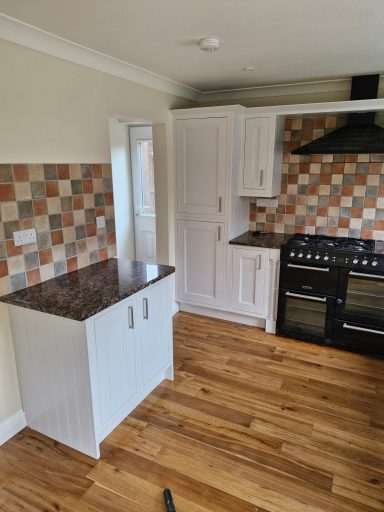
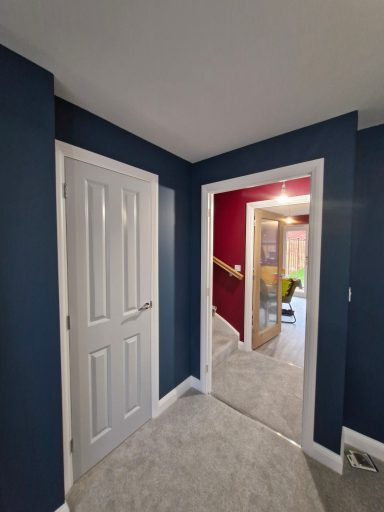
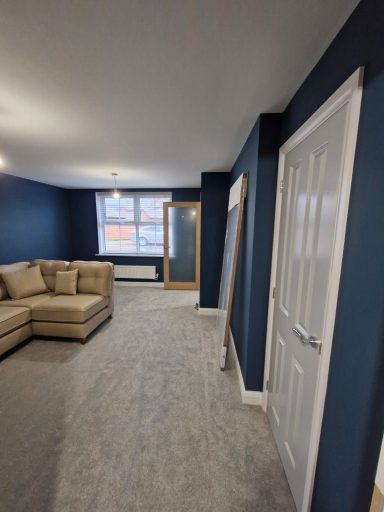
Recent Interior Painting Work on Listed Buildings Near Gloucester
A snapshot of real projects from our Central Gloucestershire portfolio.
Ready to book interior painting in Gloucester?
Most Gloucester quotes are confirmed within 48 hours. Gareth visits the property, talks through colours and prep, and you get an itemised written quote — no pressure, no follow-up calls.