Plastering for Listed Buildings in Moreton-in-Marsh
Looking for plastering for a listed buildings in Moreton-in-Marsh? These properties need expert handling — and that's exactly what we deliver. Rated 10/10 on Checkatrade with years of experience in the The Cotswolds area.
Anyone hunting for plastering in Moreton-in-Marsh should know we work the area weekly; the A429 and A44 cross at Moreton, giving fast access to Oxford, Stratford-upon-Avon and Worcester. Plenty of nearby plastering jobs also come from around Moreton high street. Daily clean-down at end of shift — no piles of dust sheets left in your hallway. Premium trade paints (Mylands, F&B, Tikkurila where it makes sense) — not contractor white. Heritage colour palettes (Edwardian neutrals, Georgian off-whites, mid-century jewel tones) get matched in trade tin where the client wants them. Lighting test boards go up before final colour signoff — north-facing rooms need a different undertone to south-facing ones, and we'll prove it on the wall.
Listed Buildings — Decorating Challenges
Listed building consent required for many external changes
Restrictions on paint colours, especially for exteriors
Use of traditional materials — lime plaster, limewash, linseed putty
Conservation officer approval for any work affecting character
Original features that must be preserved, not modernised
Finding and using historically appropriate paint formulations
Listed Buildings in The Cotswolds may be in conservation areas, which can restrict colour choices for exterior decoration. We can advise on compliant heritage palettes.
The local building materials in The Cotswolds mean listed buildings may need breathable paints and lime-compatible products rather than standard modern finishes.
How We Handle Plastering on Listed Buildings
Traditional limewash preparation and application
Linseed oil paint for external woodwork (the traditional choice)
Heritage paint ranges with historically accurate colour matching
Lime plaster repair using traditional methods and materials
Documentation and photography for conservation records
Plastering for Listed Buildings in Moreton-in-Marsh — Local Context
Local context matters: Cotswold limestone is naturally porous, so breathable masonry coatings and lime washes outperform vinyl paints on exposed elevations. For Moreton-in-Marsh plastering for listed buildings jobs — particularly those involving moss and lichen on shaded north-facing Cotswold stone garden walls — that affects when we work, what products we use, and how we sequence the prep.
Moreton-in-Marsh plastering for listed buildings customers typically have one of two starting points: a property near Stow market square that's seen better days, or a recent purchase in the GL7, GL54, GL55 area that needs bringing up to standard. Our process handles both equally well.
Work near Bourton-on-the-Water tends to involve the older end of the local housing stock. Recurring themes here include blown plaster behind chimney breasts in unheated holiday lets and the careful prep needed before any topcoat goes near Cotswold limestone with lime mortar pointing. We've developed a sequence for these properties that addresses the substrate first — fillers, primers, and stabilisers chosen for the specific construction — rather than relying on the paint itself to compensate for poor preparation.
Specific issues we encounter often in Moreton-in-Marsh include lime mortar repointing visible behind failing modern paint on stone elevations, blown plaster behind chimney breasts in unheated holiday lets, and lime mortar repointing visible behind failing modern paint on stone elevations. Each one has its own correct response, and lumping them together under "preparation" doesn't do justice to how much the right approach extends the life of a plastering for listed buildings finish. Our quotes itemise this work so you can see exactly what's being done and why.
Drive five minutes out from Bibury and the housing stock changes character noticeably. Closer to the centre we see more Cotswold limestone with lime mortar pointing; further out it shifts towards oak-framed barn conversions. That mix is one of the things that makes plastering for listed buildings in Moreton-in-Marsh interesting — no two streets ask for exactly the same specification, and a single quote template would do most properties a disservice.
Within GL7 alone we've handled everything from lime mortar repointing visible behind failing modern paint on stone elevations through to thatch-line staining where rain runoff has marked the limewashed walls below, and the postcode boundary running through Moreton-in-Marsh means properties on the GL54 side often present slightly different issues again. Most plastering for listed buildings jobs in the area touch on at least one of these patterns, which is why we always survey thoroughly before quoting — generic per-room pricing rarely matches what a Moreton-in-Marsh property actually needs.
One pattern we see consistently across GL54 and GL56 is moss and lichen on shaded north-facing Cotswold stone garden walls. It's not always obvious from the street, but it shows up almost immediately during a proper survey. Treating it correctly takes longer than ignoring it, but the plastering for listed buildings finish that goes on top will outlast a quick-cover job by years rather than months.
Listed Buildings Plastering FAQs — Moreton-in-Marsh
How much does plastering cost for listed buildings in Moreton-in-Marsh?
Costs depend on the condition and size of your property. Listed Buildings often require more specialist preparation, which can affect pricing. Contact us for a free, detailed quote.
Are you experienced with listed or period listed buildings?
Yes — we understand conservation requirements, breathable paint systems, and heritage colour palettes. We work sympathetically with period features to enhance rather than hide them.
How long does plastering last on listed buildings?
With the right preparation and products, our plastering on listed buildings typically lasts 8-12 years for interiors and 5-8 years for exteriors, depending on exposure.
Do I need consent to paint a listed building?
Internal painting usually doesn't require consent unless you're changing the character of listed features. External colour changes often do. We can advise on what needs approval.
What paints can I use on a listed building?
The key requirement is breathability. Limewash, mineral paints, claypaint, and linseed paints are all appropriate. Modern plastic-based paints should be avoided on original surfaces.
Do listed buildings need special paint products?
Often yes — listed buildings may need breathable paints, specialist primers, or heritage-grade products. We select the right system for your property's construction and condition.
Do you specialise in listed buildings in Moreton-in-Marsh?
Yes — we have extensive experience with listed buildings across The Cotswolds. We understand the specific challenges and use the right products and techniques for lasting results.
Do you cover the areas around Moreton-in-Marsh?
Yes — It sits between Chipping Norton (about 10 miles SE), Broadway (about 9 miles NW) and Chipping Campden (about 8 miles NW). and our normal plastering radius extends right across Gloucestershire. No call-out fee for sites in this radius.
Do you do commercial plastering near Moreton-in-Marsh?
Yes. We regularly take commercial plastering jobs around Moreton high street — a key local high street — and can quote inside or outside business hours.
Plastering for Listed Buildings Nearby
Other Property Types in Moreton-in-Marsh
Expert Care for Listed Buildings
We know listed buildings inside and out. Professional plastering across The Cotswolds. Call for a free quote.
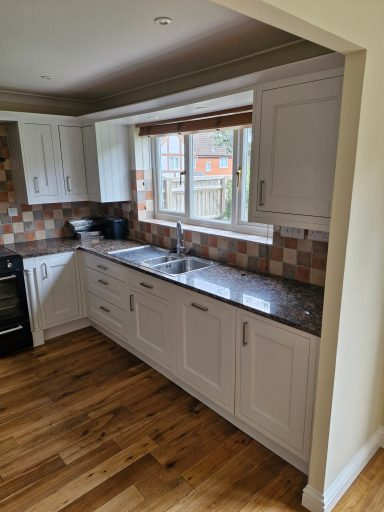
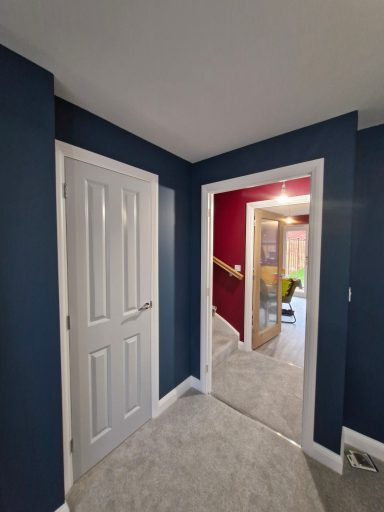
Recent Plastering Work on Listed Buildings Near Moreton-in-Marsh
A snapshot of real projects from our The Cotswolds portfolio.
Next steps for your Moreton-in-Marsh plastering project
Drop us a quick message with rough room counts or photos. We'll come out, measure properly, and confirm a start date that suits you. Most plastering jobs in Moreton-in-Marsh are booked 2–4 weeks ahead.