Plastering for Victorian Homes in Didcot
Our plastering work on victorian homes in South Oxfordshire has given us deep expertise in the specific challenges these properties present. Every project starts with understanding your property's unique requirements.
Didcot sits in South Oxfordshire District Council's patch, Didcot sits between the A34 and the A4130 with a major Great Western Railway interchange. We regularly travel to Wallingford (6 mi E) and Abingdon (7 mi N) for similar jobs. That means we usually fit your plastering job around existing local work and pass the saving on. Quotes itemise every coat and prep stage so you can compare like-for-like. We sequence around plasterers, electricians and kitchen fitters if you're juggling trades. Lighting test boards go up before final colour signoff — north-facing rooms need a different undertone to south-facing ones, and we'll prove it on the wall. Heritage colour palettes (Edwardian neutrals, Georgian off-whites, mid-century jewel tones) get matched in trade tin where the client wants them.
Victorian Homes — Decorating Challenges
High ceilings requiring scaffolding or specialist access equipment
Ornate cornicing, ceiling roses, and dado rails needing careful cutting-in
Original sash windows with intricate glazing bars
Multiple layers of old lead-based paint requiring safe removal
Lime plaster walls that need compatible paints and primers
Period colour schemes that complement original architectural features
The local building materials in South Oxfordshire mean victorian homes may need breathable paints and lime-compatible products rather than standard modern finishes.
Victorian Homes in South Oxfordshire may be in conservation areas, which can restrict colour choices for exterior decoration. We can advise on compliant heritage palettes.
How We Handle Plastering on Victorian Homes
Specialist lead paint testing and safe removal where required
Breathable paints for lime plaster walls (limewash, clay, or mineral paints)
Hand-painted cornicing and detailed moulding work
Sash window restoration and repainting with flexible coatings
Heritage colour matching using Farrow & Ball, Little Greene, and Edward Bulmer
Plastering for Victorian Homes in Didcot — Local Context
Travelling out from the Thames at Henley, the housing stock changes quickly. Within a few minutes' drive we'll see traditional UK construction methods typical of Didcot sitting next to much newer properties — so every plastering for victorian homes quote we provide in Didcot is tailored to the specific property in front of us.
Postcodes OX10, OX11, OX14 cover most of where we operate around Didcot. The combination of traditional UK construction methods typical of Didcot and the local climate means Chilterns flint-and-brick cottage exterior care is one of the most common starting points for our plastering for victorian homes customers here.
Work near the Chilterns tends to involve the older end of the local housing stock. Recurring themes here include Thames-side timber window restoration in Henley and Wallingford and the careful prep needed before any topcoat goes near traditional UK construction methods typical of Didcot. We've developed a sequence for these properties that addresses the substrate first — fillers, primers, and stabilisers chosen for the specific construction — rather than relying on the paint itself to compensate for poor preparation.
Oxfordshire sees relatively dry winters compared to the south-west but properties on the Thames floodplain can suffer rising damp. For Didcot plastering for victorian homes customers that has practical consequences: the timing window for exterior work is tighter than people often assume, and interior rooms on north-facing elevations within the RG8 and OX14 areas are noticeably more prone to condensation. We factor both into the products and additives we recommend during the quote stage.
Drive five minutes out from the Thames at Henley and the housing stock changes character noticeably. Closer to the centre we see more traditional UK construction methods typical of Didcot; further out it shifts towards traditional UK construction methods typical of Didcot. That mix is one of the things that makes plastering for victorian homes in Didcot interesting — no two streets ask for exactly the same specification, and a single quote template would do most properties a disservice.
Within RG8 alone we've handled everything from Thames-side timber window restoration in Henley and Wallingford through to Chilterns flint-and-brick cottage exterior care, and the postcode boundary running through Didcot means properties on the OX44 side often present slightly different issues again. Most plastering for victorian homes jobs in the area touch on at least one of these patterns, which is why we always survey thoroughly before quoting — generic per-room pricing rarely matches what a Didcot property actually needs.
Local material reality matters: traditional UK construction methods typical of Didcot dominates parts of Didcot that newer build does not, and the local climate adds its own demands. Oxfordshire sees relatively dry winters compared to the south-west but properties on the Thames floodplain can suffer rising damp. Combined, this means our plastering for victorian homes specifications for properties around the Thames at Henley will often differ noticeably from those a few postcodes away — and rightly so, given how differently those properties behave over a ten-year horizon.
Victorian Homes Plastering FAQs — Didcot
How long does plastering last on victorian homes?
With the right preparation and products, our plastering on victorian homes typically lasts 8-12 years for interiors and 5-8 years for exteriors, depending on exposure.
Do you specialise in victorian homes in Didcot?
Yes — we have extensive experience with victorian homes across South Oxfordshire. We understand the specific challenges and use the right products and techniques for lasting results.
What preparation do victorian homes need before plastering?
Victorian Homes often require more extensive preparation than modern properties — lime plaster repair, damp treatment, careful sanding of period features. We never skip these essential steps.
How do you handle lead paint in Victorian homes?
We test for lead paint and follow safe removal practices. In many cases, encapsulation (painting over with specialist primers) is safer and more cost-effective than stripping.
Do victorian homes need special paint products?
Often yes — victorian homes may need breathable paints, specialist primers, or heritage-grade products. We select the right system for your property's construction and condition.
Can you show me examples of plastering on victorian homes near Didcot?
Yes — we have a portfolio of completed projects on victorian homes across South Oxfordshire. Contact us and we'll share examples relevant to your property.
Do Victorian homes need special paint?
Often, yes. If your walls are original lime plaster, they need breathable paints rather than modern vinyl emulsions which can trap moisture. We'll assess your surfaces and recommend the right products.
Do you do commercial plastering near Didcot?
Yes. We regularly take commercial plastering jobs around Milton Park — a key local business park — and can quote inside or outside business hours.
Which local authority covers Didcot?
Properties in Didcot fall under South Oxfordshire District Council. We're used to the planning and conservation rules that apply to plastering work in this area.
Plastering for Victorian Homes Nearby
Other Property Types in Didcot
Free Quote for Your Didcot Property
Specialist plastering for victorian homes. 10/10 Checkatrade rated. Fully insured. NVQ3 qualified.
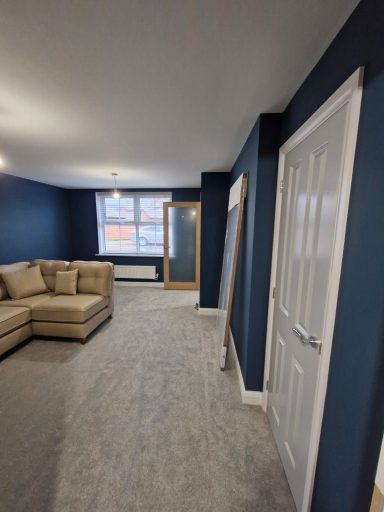
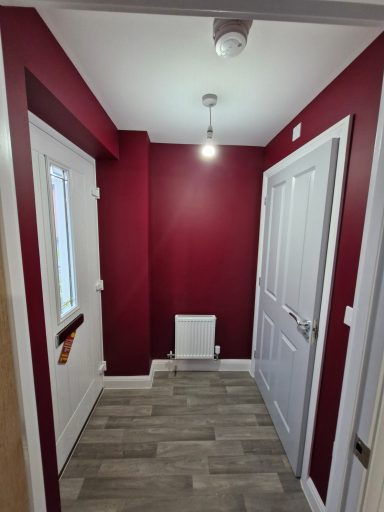
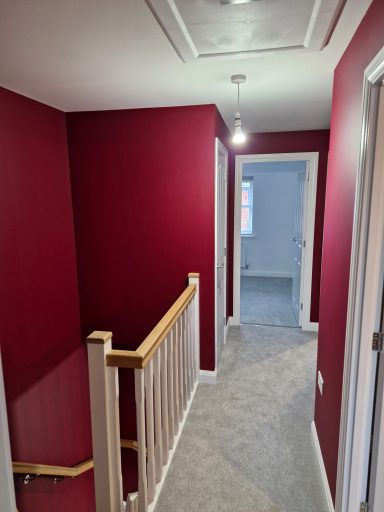
Recent Plastering Work on Victorian Homes Near Didcot
A snapshot of real projects from our South Oxfordshire portfolio.
Ready to book plastering in Didcot?
Most Didcot quotes are confirmed within 48 hours. Gareth visits the property, talks through colours and prep, and you get an itemised written quote — no pressure, no follow-up calls.