Wallpapering for Listed Buildings in Marlborough
Wallpapering for listed buildings in Marlborough requires a different approach to standard properties. The area features the picturesque villages and market towns of the Kennet Valley, where thatched cottages and traditional brick homes line quiet country lanes, and listed buildings need particular care with preparation, products, and techniques.
For wallpapering around Marlborough, we treat travel as part of the spec: the A4 runs straight through the historic high street, with the A346 linking north to Swindon and south toward the M4 at J15, and our diary already covers nearby work. We regularly travel to Swindon (12 mi N) and Hungerford (9 mi E) for similar jobs. One trusted lead decorator on site each day — no rotating cast of subbies. Final coat photos and a written guarantee in your inbox before we hand back keys. Exterior pricing factors: scaffold versus extension ladder access, masonry porosity, lichen treatment, and a fungicidal wash before stabilising. Wood-finish projects round here usually want a knot-seal, oil-based undercoat for adhesion, then water-based topcoats for low-yellowing and faster recoat.
Listed Buildings — Decorating Challenges
Listed building consent required for many external changes
Restrictions on paint colours, especially for exteriors
Use of traditional materials — lime plaster, limewash, linseed putty
Conservation officer approval for any work affecting character
Original features that must be preserved, not modernised
Finding and using historically appropriate paint formulations
Listed Buildings in Marlborough frequently have original timber sash windows that need careful preparation and specialist painting techniques to maintain their character and operation.
The Wiltshire climate exposes listed buildings to specific weathering patterns. Exterior finishes need to be chosen for durability against local conditions.
How We Handle Wallpapering on Listed Buildings
Traditional limewash preparation and application
Linseed oil paint for external woodwork (the traditional choice)
Heritage paint ranges with historically accurate colour matching
Lime plaster repair using traditional methods and materials
Documentation and photography for conservation records
Wallpapering for Listed Buildings in Marlborough — Local Context
One of the things we've learned working wallpapering for listed buildings jobs in Marlborough: traditional UK construction methods typical of Marlborough reacts differently to modern paints than newer-build construction does. We adjust our specification accordingly — often using breathable systems where appropriate.
Within the SN8, SN9, RG17 postcode area, the projects we quote most often involve thatched cottage low-ceiling beam work in the Pewsey Vale. Wiltshire's mix of chalk downland and clay vale means properties experience driving rain from the south-west and frost pockets in the valleys, which directly informs the products we recommend for Marlborough wallpapering for listed buildings work.
One pattern we see consistently across SN9 and SN8 is brick farmhouse exterior repaints across the Kennet valley. It's not always obvious from the street, but it shows up almost immediately during a proper survey. Treating it correctly takes longer than ignoring it, but the wallpapering for listed buildings finish that goes on top will outlast a quick-cover job by years rather than months.
Work near the centre of Marlborough tends to involve the older end of the local housing stock. Recurring themes here include thatched cottage low-ceiling beam work in the Pewsey Vale and the careful prep needed before any topcoat goes near traditional UK construction methods typical of Marlborough. We've developed a sequence for these properties that addresses the substrate first — fillers, primers, and stabilisers chosen for the specific construction — rather than relying on the paint itself to compensate for poor preparation.
Specific issues we encounter often in Marlborough include thatched cottage low-ceiling beam work in the Pewsey Vale, thatched cottage low-ceiling beam work in the Pewsey Vale, and thatched cottage low-ceiling beam work in the Pewsey Vale. Each one has its own correct response, and lumping them together under "preparation" doesn't do justice to how much the right approach extends the life of a wallpapering for listed buildings finish. Our quotes itemise this work so you can see exactly what's being done and why.
Drive five minutes out from the centre of Marlborough and the housing stock changes character noticeably. Closer to the centre we see more traditional UK construction methods typical of Marlborough; further out it shifts towards traditional UK construction methods typical of Marlborough. That mix is one of the things that makes wallpapering for listed buildings in Marlborough interesting — no two streets ask for exactly the same specification, and a single quote template would do most properties a disservice.
Within SN8 alone we've handled everything from thatched cottage low-ceiling beam work in the Pewsey Vale through to brick farmhouse exterior repaints across the Kennet valley, and the postcode boundary running through Marlborough means properties on the SN9 side often present slightly different issues again. Most wallpapering for listed buildings jobs in the area touch on at least one of these patterns, which is why we always survey thoroughly before quoting — generic per-room pricing rarely matches what a Marlborough property actually needs.
Listed Buildings Wallpapering FAQs — Marlborough
What preparation do listed buildings need before wallpapering?
Listed Buildings often require more extensive preparation than modern properties — lime plaster repair, damp treatment, careful sanding of period features. We never skip these essential steps.
Do I need consent to paint a listed building?
Internal painting usually doesn't require consent unless you're changing the character of listed features. External colour changes often do. We can advise on what needs approval.
What makes wallpapering different on listed buildings?
Listed Buildings have specific requirements — from surface types and preparation methods to product compatibility. Getting these right is what delivers a finish that lasts years rather than months.
What paints can I use on a listed building?
The key requirement is breathability. Limewash, mineral paints, claypaint, and linseed paints are all appropriate. Modern plastic-based paints should be avoided on original surfaces.
Can you match existing colours on my listed buildings?
Yes — we can colour-match to any existing finish. For listed buildings, we often recommend heritage paint ranges that are designed for these property types.
How long does wallpapering last on listed buildings?
With the right preparation and products, our wallpapering on listed buildings typically lasts 8-12 years for interiors and 5-8 years for exteriors, depending on exposure.
How much does wallpapering cost for listed buildings in Marlborough?
Costs depend on the condition and size of your property. Listed Buildings often require more specialist preparation, which can affect pricing. Contact us for a free, detailed quote.
Do you do commercial wallpapering near Marlborough?
Yes. We regularly take commercial wallpapering jobs around Marlborough Business Park — a key local business park — and can quote inside or outside business hours.
Which local authority covers Marlborough?
Properties in Marlborough fall under Wiltshire Council. Note: the wide Georgian high street is a protected conservation area. We're used to the planning and conservation rules that apply to wallpapering work in this area.
Wallpapering for Listed Buildings Nearby
Other Property Types in Marlborough
Listed Buildings Deserve Expert Wallpapering
Don't trust your listed buildings to a generalist. Our specialist knowledge delivers superior results in Marlborough.
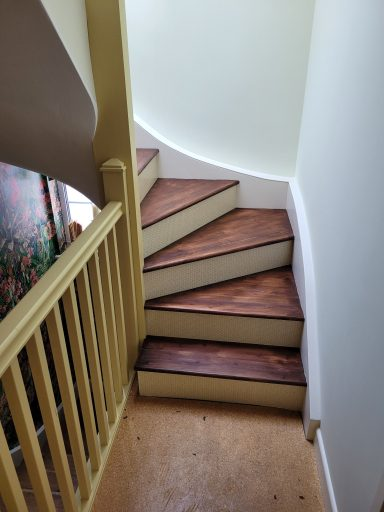
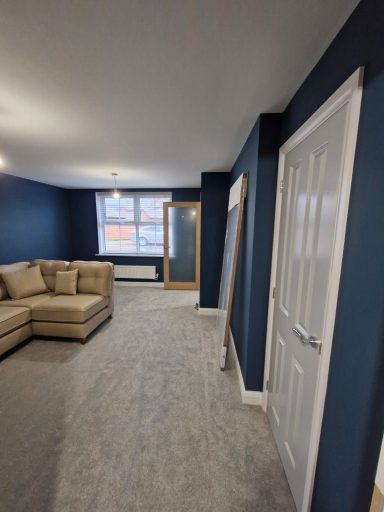
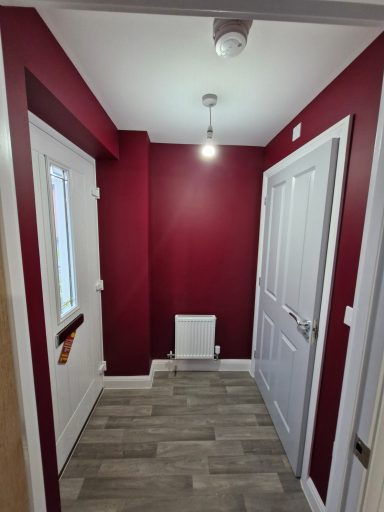
Recent Wallpapering Work on Listed Buildings Near Marlborough
A snapshot of real projects from our East Wiltshire portfolio.
Choosing the right wallpapering finish for Marlborough
Not sure between eggshell, satinwood, mineral paint or paper? Bring the brief and we'll suggest finishes that suit the property, the use and your maintenance appetite.